
Your Energy Manager and Utilities Procurement Partner
Discover Renewable Energy Solutions for a Greener Future
16 years of trading backed by a Founder with 35 years of experience in the Utilities Sector, Infrastructure Development, and Consultants focused on Commercial Energy and Property Portfolio Management, Cost Reduction & Carbon Footprint Reduction.
Our Mission: Rebuilding Great Britain with Excellence in Infrastructure Procurement & Supply Chain, Energy, Utilities (and Partnerships & Collaboration).
Our style: Bullishly dispelling myths and challenging the average by “Raising The Bar” in service excellence.
Our Guarantee: Honesty, Transparency and Innovation
Your Business Utilities Expert. Your best deal. Now and always
Benefits of Trusting Taurus Utility
Taurus Utility delivers unmatched reliability, real savings, responsive customer care, and sustainable solutions you can count on every day.
Read More >>
We have been the No. 1 multi-utility cost-saving expert. Unlike the tailored approach and better deals, Taurus provides a full-service approach focused on transparent, long-term savings and green energy options. Cost reductions of 35-65% and backdating for up to 6 years.
We help our clients secure the best deals on all their utilities and ensure that this remains the case for them. In doing so, we save you vast amounts of management time, allowing you to focus on your priorities and grow your business to achieve your goals.
Utility Consultant


Services provide
for you
Smart For The Environment.
Smart For Your Wallet
Sustainable Energy Services & Products
Round-the-Clock Reliability
With our Round-the-Clock Reliability, you can count on uninterrupted service, day or night. We ensure consistent performance and support whenever you need it, so you’re always powered and prepared.
Uncompromising Commitment to Clean Energy
Our unwavering commitment to clean energy drives everything we do. We prioritise sustainable solutions that reduce environmental impact, ensuring a greener, healthier future for generations to come.
Customer-Centric Approach
Our Customer-Centric Approach puts your needs first at every step. We deliver tailored solutions, seamless support, and exceptional service to ensure your satisfaction and long-term success.
Global Impact
We are committed to making a positive Global Impact by driving sustainable energy solutions worldwide. Together, we aim to reduce carbon footprints, promote cleaner living, and build a greener future for all.
Energy Efficiency Audit
Embrace the power of the wind with our wind energy solutions. We offer comprehensive wind turbine installation.
How It Works
Free Bill Audit
Potential Savings
Authority
Carbon Footprint
We are members of the Ombudsman Energy Broker Alternative Dispute Resolution (ADR) Scheme. Membership number: C35THET03
Corporate Social Responsibility:
We gift 10% of Profits and raise donations via Easy Fundraising to give to The North East Enterprise Trust, a not-for-profit organisation that supports young people and those who are disadvantaged and living in local communities throughout the NorthEast, and other local community groups who are aligned with our thinking
We are members of the Ombudsman Energy Broker Alternative Dispute Resolution (ADR) Scheme. Membership number: C35THET03


News

Integrating Circular Economy Principles in Utility Management: A Forward-Thinking Approach for UK Businesses to Maximise Resource Efficiency and Cost Savings
In an era where resource efficiency and sustainability are more than just buzzwords, businesses across the UK are embracing forward-thinking approaches to utility management. By integrating circular economy principles into utility practices, companies not only...
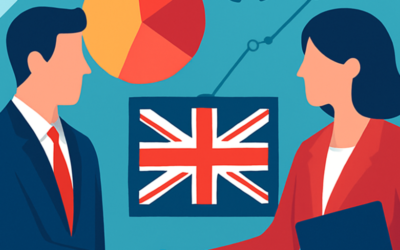
The Untold Impact of Advanced Utility Compliance on Boosting UK Business Resilience and Market Competitiveness
In an era where global markets are more interconnected than ever, businesses across the UK face unprecedented pressures to maintain both resilience and competitiveness. Amid these challenges, utility compliance has emerged as a silent yet potent force, shaping the...

The Role of Eco-Friendly Energy Procurement in Reducing Utility Overheads for UK SMEs: A Strategic Guide for Engaging Stakeholders and Driving Change
In an era where the line between environmental stewardship and financial pragmatism is blurring, UK SMEs face a crucial challenge. How does one effectively marry the two, ensuring robust sustainability initiatives while maintaining control over utility costs? For...

Harnessing Data-Driven Energy Usage Forecasting: A New Approach for UK Retail Chains to Optimise Utility Costs and Enhance Sustainability
The retail industry in the UK is evolving rapidly, with sustainability and cost efficiency becoming prime concerns for businesses across the sector. As energy prices continue to fluctuate and environmental regulations tighten, retail chains are increasingly looking...

Leveraging Customised Energy Dashboards: How UK Businesses Can Enhance Decision-Making and Drive Cost-Effective Sustainability
In the rapidly evolving energy sector, UK businesses are increasingly seeking innovative solutions to enhance decision-making and sustainability efforts. One such innovation is the customised energy dashboard, a powerful tool designed to provide businesses with...

Unlocking Business Growth Through Holistic Utility Health Checks: A Proactive Approach for UK Enterprises to Ensure Optimal Performance and Sustainability
In today’s rapidly evolving business environment, enterprises are under increasing pressure to optimise performance and sustainability. The UK market, in particular, presents unique challenges and opportunities for businesses striving to maintain competitive advantage...




