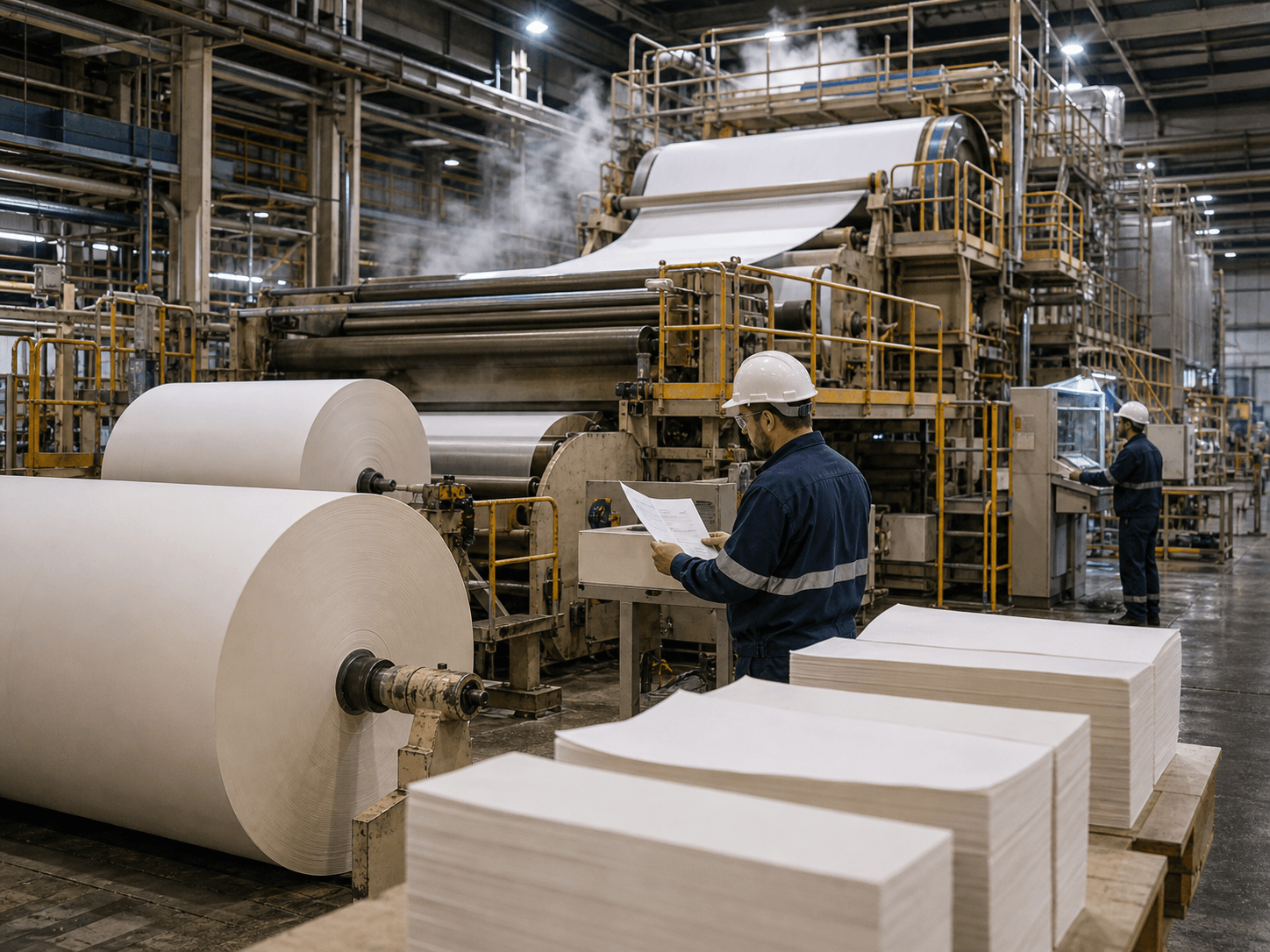
How to Save Energy on Paper and Pulp Manufacturing
Paper and pulp manufacturing is an energy-intensive process. The industry is known for its significant consumption of electricity, gas, and other fuels. As such, optimising energy use in this sector not only reduces operational costs but also helps in reducing environmental impact. From powering machinery to heating water and running lighting systems, there are numerous areas where energy savings can be realised. In recent years, the focus has shifted towards adopting energy-efficient technologies and practices that can be implemented on the factory floor.
12 Practical Ideas for Saving Energy on Paper and Pulp Manufacturing
- Switch to Energy-Efficient LED Lighting Systems in All Manufacturing Areas and Offices — LED lighting can reduce electricity use by up to 90 per cent compared to traditional incandescent bulbs.
- Regular Maintenance and Optimisation of Motors and Pumps to Maximise Efficiency and Reduce Energy Waste — Scheduled maintenance ensures equipment operates at peak efficiency, lowering energy consumption.
- Implement Smart Metering to Monitor and Manage Electricity Use in Real Time Across Operations — Smart meters provide insights into energy usage, enabling prompt adjustments to reduce waste.
- Optimise Vehicle Routes and Loads to Minimise Diesel Consumption and Improve Fuel Economy — Efficient route planning reduces diesel use, lowering fuel costs and emissions.
- Train Drivers on Fuel-Efficient Driving Techniques to Enhance Diesel and Fuel Efficiency — Educating drivers on best practices can significantly cut fuel use and extend vehicle lifespan.
- Implement Insulation in All Heating Systems and Hot Water Pipes to Reduce Gas Use — Proper insulation minimises heat loss, improving energy efficiency in heating processes.
- Regularly Service Boilers and Heating Equipment to Ensure Optimal Gas Consumption and Efficiency — Routine maintenance keeps systems running smoothly and reduces unnecessary energy waste.
- Invest in Solar Panels to Generate Renewable Energy and Reduce Dependency on Conventional Power Sources — Solar panels can provide a sustainable power source. Learn more here.
- Explore the Use of Wind Turbines for Supplementary Renewable Energy Generation on Site — Wind turbines offer a clean energy solution. Discover more here.
- Conduct Regular Staff Training on Energy Efficiency and Conservation Practices in the Workplace — Educating staff on energy-saving strategies fosters a culture of sustainability and cost reduction.
- Establish a Continuous Improvement Programme for Monitoring Energy Use and Identifying Savings Opportunities — A systematic approach to monitoring allows for ongoing identification of areas for energy savings.
- Analyse Energy Data to Make Informed Decisions and Implement Changes in Production Processes — Data-driven insights can lead to more effective energy management strategies across operations.
Electricity Savings
Electricity is a major component of energy use in paper and pulp manufacturing, powering everything from lighting to machinery. Implementing LED lighting systems can drastically reduce electricity consumption. Similarly, maintaining motors and pumps ensures they operate efficiently, reducing energy wastage. Smart metering is another effective strategy, as it allows facilities to monitor electricity use in real time, facilitating immediate adjustments to reduce excess consumption.
Diesel and Fuel Efficiency
Diesel and other fuels are primarily used in transportation and machinery within the paper and pulp sector. Optimising vehicle routes and ensuring efficient load management can minimise diesel consumption. Training drivers on fuel-efficient driving techniques also contributes to fuel savings. These strategies not only cut costs but also reduce the carbon footprint of operations.
Gas and Propane Use
Gas and propane are often used for heating processes in paper and pulp manufacturing. Ensuring proper insulation of heating systems and hot water pipes can significantly reduce gas use. Regular servicing of boilers and heating equipment is essential to maintain optimal efficiency and prevent energy loss. Such measures are crucial for reducing operational costs and enhancing energy efficiency.
Renewable Energy Opportunities
Investing in renewable energy sources offers long-term savings and environmental benefits. Solar panels are a viable option for generating clean energy on-site, reducing dependency on conventional power sources. For more information on solar panels, visit here. Wind turbines present another renewable energy solution, providing supplementary power generation. To explore wind energy options, click here.
Behavioural and Operational Changes
Behavioural change is a powerful tool for improving energy efficiency. Regular staff training helps instil energy conservation habits, enhancing overall operational efficiency. Encouraging a culture of sustainability within the workplace can lead to more mindful energy use and significant savings.
Monitoring and Continuous Improvement
Establishing a continuous improvement programme is vital for ongoing energy management. Regular monitoring of energy use aids in identifying inefficiencies and potential savings opportunities. Analysing energy data supports informed decision-making, leading to more effective energy management strategies. A commitment to continuous improvement ensures that energy efficiency remains a priority in the long term.
Final Thoughts
Improving energy efficiency in paper and pulp manufacturing is both a practical and necessary endeavour. By implementing the strategies outlined above, businesses can achieve substantial energy savings, reduce operational costs, and contribute positively to environmental sustainability. The focus on electricity, fuel, gas, and renewable energy, alongside behavioural changes and continuous improvement, provides a comprehensive approach to energy management in this energy-intensive industry.