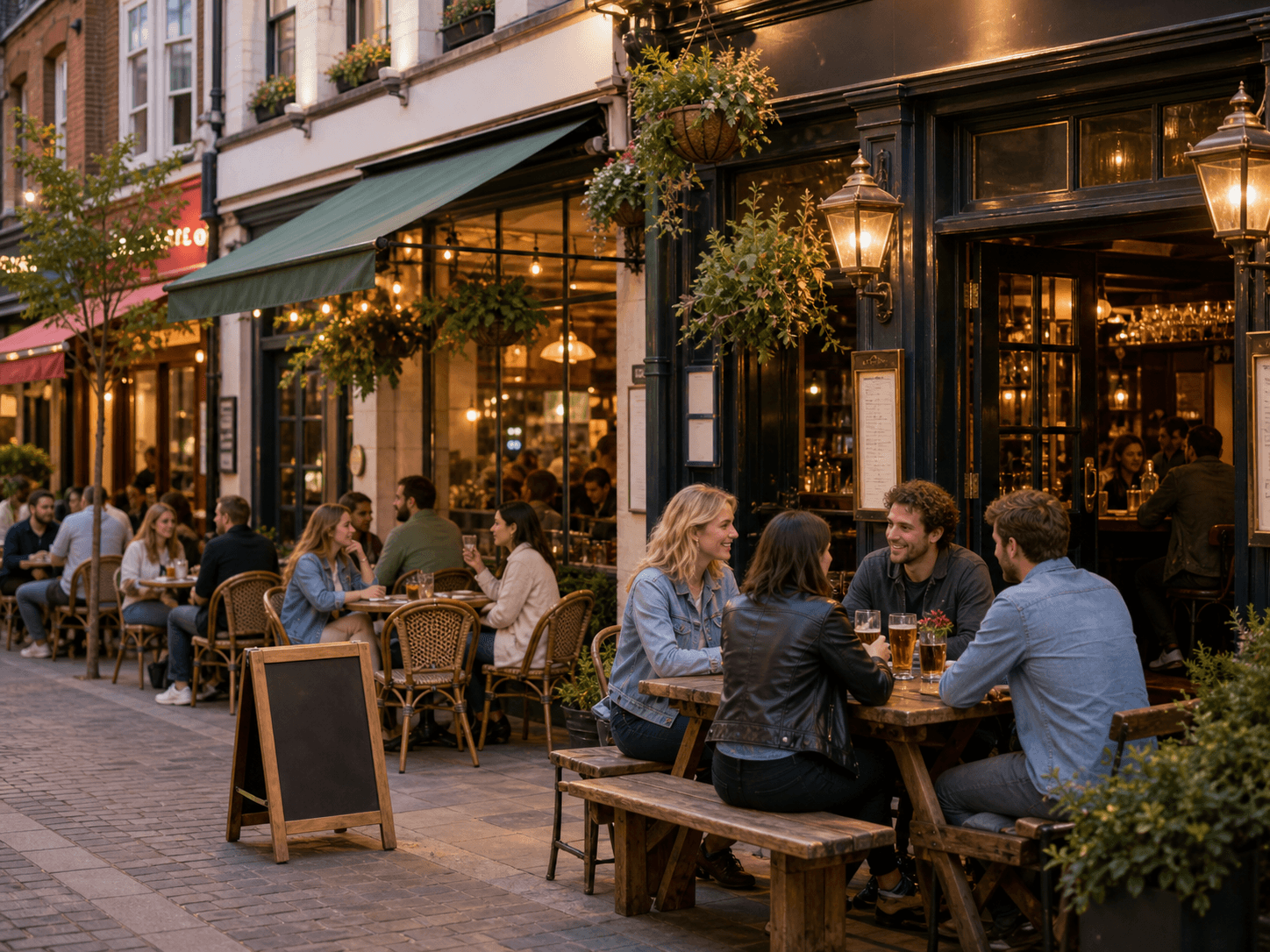
How to Save Energy on Restaurants, Cafés, and Pubs
Understanding Energy Use on Restaurants, Cafés, and Pubs
Restaurants, cafés, and pubs are vibrant hubs of social activity, offering food, drink, and a welcoming atmosphere to patrons. However, these establishments are also notable for their high energy consumption. From cooking equipment and refrigeration to lighting and climate control, energy use is pervasive. Managing this effectively can not only reduce operational costs but also contribute to a more sustainable business model.
12 Practical Ideas for Saving Energy on Restaurants, Cafés, and Pubs
- Install energy-efficient LED lighting to reduce electricity consumption and improve the ambience in your establishment — LED lights use 75–90 per cent less energy than traditional incandescent bulbs.
- Regularly service kitchen equipment to ensure motors and pumps operate at optimal energy efficiency levels — Proper maintenance can prevent energy waste due to equipment inefficiencies.
- Implement smart metering to better understand and manage your establishment’s electricity usage patterns — Smart meters provide real-time data, helping identify high usage periods and areas.
- Train staff on energy-efficient driving techniques to maximise fuel efficiency in company vehicles — Proper driving behaviour can significantly reduce fuel consumption and associated costs.
- Consider using biodiesel or alternative fuels for delivery and transport vehicles to lower carbon footprint — Alternative fuels offer a cleaner option and can lead to cost savings over time.
- Install high-efficiency gas boilers to reduce energy consumption for heating and hot water needs — Newer models are significantly more efficient, reducing both costs and emissions.
- Improve insulation in your building to minimise heat loss and reduce reliance on heating systems — Proper insulation can help maintain desired indoor temperatures with less energy.
- Explore the feasibility of installing solar panels to generate renewable energy onsite — Solar panels can provide a sustainable energy source. Learn more here.
- Investigate the potential for wind turbines to supplement your energy needs with renewable power — Wind energy can be a cost-effective renewable option. More info here.
- Encourage staff to adopt energy-saving practices through regular training and awareness programmes — Educating staff can foster a culture of conservation and responsibility.
- Conduct regular energy audits to identify inefficiencies and opportunities for improvement in operations — Audits can uncover hidden energy waste and suggest corrective actions.
- Set benchmarks and track progress to ensure continuous energy performance improvement over time — Monitoring progress helps maintain focus on energy goals and achievements.
Electricity Savings
Electricity consumption in restaurants, cafés, and pubs is significant due to lighting, refrigeration, and kitchen appliances. Switching to LED lighting can reduce electricity use substantially, as LEDs are more energy-efficient than traditional lighting. Additionally, implementing smart metering allows establishments to monitor electricity usage in real time, enabling them to identify peak usage times and strategise accordingly.
Diesel and Fuel Efficiency
For establishments that rely on delivery services or transport, fuel efficiency is a critical area for energy savings. Training drivers on energy-efficient driving techniques, such as smooth acceleration and maintaining optimal speeds, can reduce fuel consumption. Additionally, exploring alternative fuels like biodiesel can further lower the environmental impact and operational costs associated with vehicle use.
Gas and Propane Use
Gas and propane are commonly used for heating and cooking. Upgrading to high-efficiency gas boilers can lead to substantial energy savings, as newer models are designed to use less fuel. Improving building insulation is another effective strategy to minimise heat loss, ensuring that heating systems do not have to work as hard to maintain comfortable indoor temperatures.
Renewable Energy Opportunities
Incorporating renewable energy sources is a forward-thinking approach for any business. Solar panels and wind turbines are viable options for reducing reliance on traditional energy sources. Solar panels are particularly effective in capturing energy from the sun, while wind turbines can harness wind energy to supplement power needs. Both options contribute to a more sustainable energy model.
Behavioural and Operational Changes
Employees play a crucial role in energy conservation. Regular training sessions can help staff understand the importance of energy efficiency and encourage them to adopt energy-saving practices in their daily work routines. Simple actions, such as turning off lights in unused areas and properly using equipment, can collectively make a significant impact on energy consumption.
Monitoring and Continuous Improvement
Continuous monitoring and setting benchmarks for energy performance are essential for long-term energy efficiency. Conducting regular energy audits can help identify areas of inefficiency, providing a basis for setting achievable energy-saving targets. Tracking progress ensures that energy-saving measures are effective and encourages ongoing improvements.
Final Thoughts
Energy efficiency in restaurants, cafés, and pubs is both a practical and necessary pursuit. By implementing the strategies outlined above, these establishments can significantly reduce their energy consumption, lower operational costs, and contribute to a more sustainable future. The journey towards energy efficiency is ongoing, but with careful planning and commitment, it is entirely achievable.