
Energy Saving in Train and Bus Companies
A Practical Guide from Taurus Utilities Consultants – Special Focus on Half-Hourly Metering
As the UK’s public transport sector accelerates toward net zero by 2050, train and bus operators are under increasing pressure to reduce energy consumption while managing rising utility costs. At Taurus Utilities Consultants, with over 15 years of experience in energy management for transport providers, we know that effective energy saving starts with accurate data. Half-hourly (HH) metering – a requirement for any site using more than 100,000 kWh of electricity per year – is the foundation of robust energy management, enabling operators to identify inefficiencies, optimise consumption patterns and reduce costs by up to 30%. This guide outlines how to leverage HH metering alongside targeted strategies to transform energy performance across vehicles, infrastructure and operations.
THE POWER OF HALF-HOURLY METERING: A FOUNDATION FOR ENERGY SAVING
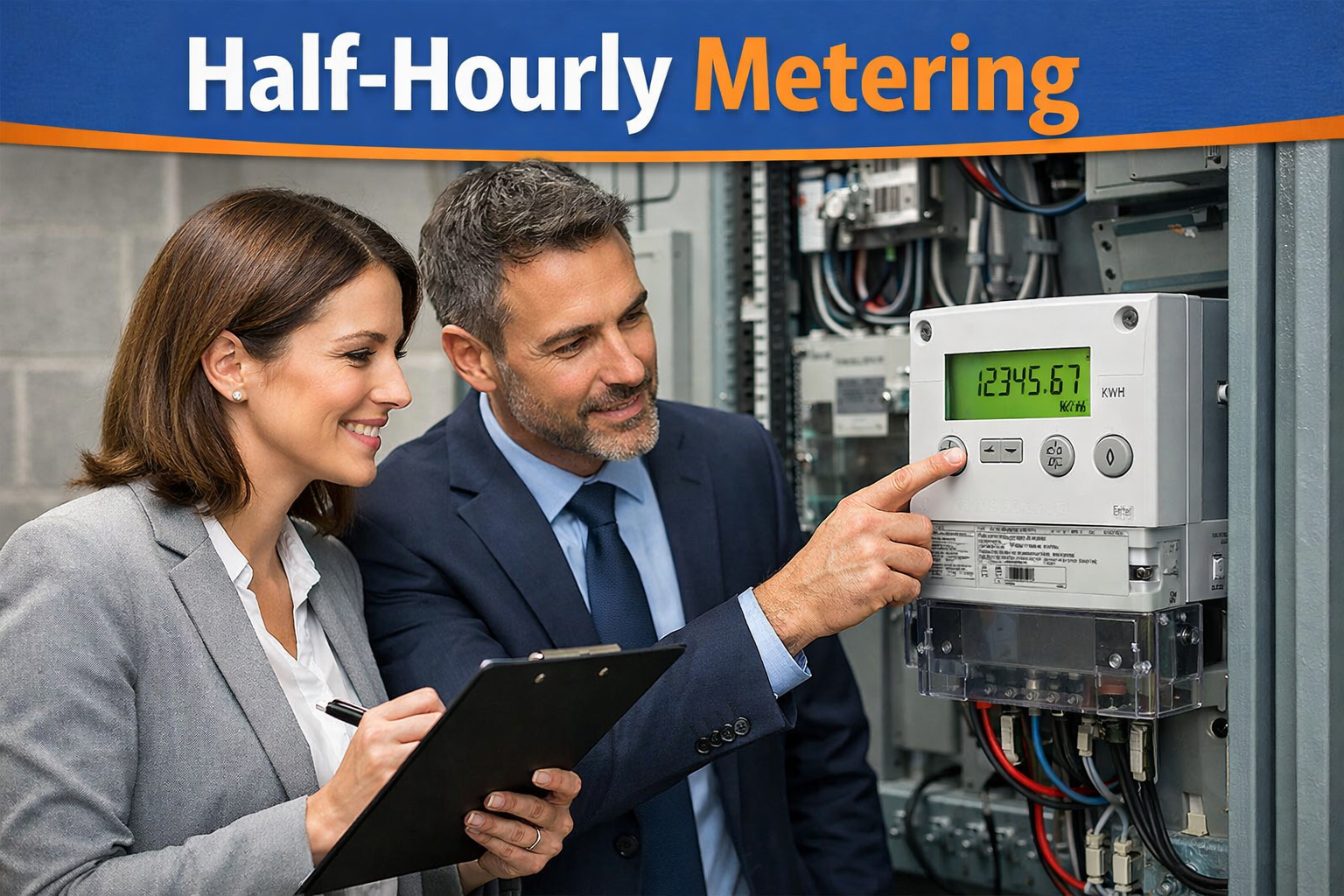
Half-hourly metering records electricity consumption every 30 minutes, providing far greater visibility than traditional monthly or quarterly billing. For train and bus companies – which often operate multiple sites with high energy demand – this data is invaluable for driving informed decision-making.
Why HH Metering Matters for Transport Operators
• Identify consumption patterns: Track how energy use varies across days, weeks and seasons. For example, we recently used HH data to show a major rail operator that 25% of their station electricity was being used during unoccupied overnight periods, with lighting and HVAC systems running unnecessarily.
• Manage demand charges: Electricity suppliers apply demand charges based on the highest level of consumption recorded in any half-hour period during the billing cycle. For large sites like depots and stations, these charges can account for 30-50% of total electricity costs. HH metering allows operators to identify peak demand periods and take action to reduce them.
• Verify billing accuracy: With detailed consumption data, operators can cross-check invoices and ensure they are not overpaying for energy or being charged incorrectly for network capacity. We’ve recovered over £2 million in overcharges for transport clients through HH data analysis.
• Measure the impact of improvements: Track how energy-saving initiatives perform in real time. For instance, after installing LED lighting at a bus garage in Manchester, HH data showed a 62% reduction in electricity use for that site – confirming the project’s return on investment.
Implementing and Maximising HH Metering
• Ensure full coverage: Install HH meters at all sites with demand over 100,000 kWh/year, including depots, stations, maintenance facilities and administrative buildings. For rail operators, this should also include traction power points where possible.
• Integrate data systems: Connect HH meters to a central energy management platform (EMP) that consolidates data from all sites and vehicles. This enables holistic analysis and automated alerts for unusual consumption patterns – such as a sudden spike that could indicate equipment failure.
• Train your team: Ensure staff responsible for energy management understand how to interpret HH data. We provide tailored training programmes that teach operators to identify inefficiencies, set realistic targets and monitor progress effectively.
• Work with experts: Partner with consultants who specialise in transport energy management to unlock the full value of HH data. Our team can conduct a detailed analysis to identify specific saving opportunities and develop customised action plans.
VEHICLE FLEET OPTIMISATION: USING DATA TO REDUCE ENERGY USE
Half-hourly metering data from depots and charging points provides critical insights into vehicle energy performance, enabling targeted improvements to both existing and new fleets.
Optimising Existing Vehicles
• Track energy consumption per vehicle: Use HH data from charging points (for electric buses/trains) and fuel monitoring systems (for diesel/hybrid models) to identify underperforming vehicles. For example, HH data might reveal that a particular bus is using 20% more electricity than others on the same route, indicating a maintenance issue or an inefficient driving style.
• Implement targeted retrofits: Use consumption data to prioritise vehicles for upgrades. We recently analysed HH data for a fleet of 200 buses and identified that 30 were consuming significantly more fuel due to outdated engine management systems. Retrofitting these vehicles delivered a 15% reduction in fuel use and a payback period of just 8 months.
• Reduce idling time: HH data can highlight when vehicles are left running unnecessarily. At a train depot in Newcastle, we used data to discover that diesel trains were idling for an average of 45 minutes per day while waiting for maintenance. Implementing an idling-reduction policy reduced fuel use by 12% at that site.
Transitioning to Low-Emission Fleets
• Plan charging infrastructure using HH data: Analyse peak demand periods to design charging schedules that minimise costs. For electric buses, we recommend charging during off-peak hours (typically 10 pm-6 am), when electricity rates are lower. HH data helps identify the optimal charging times for each vehicle based on route schedules and grid tariffs.
• Size battery systems appropriately: Use historical consumption data to determine the right battery capacity for electric vehicles, avoiding over-specification, which increases weight and energy use. For one client in Yorkshire, we used HH data to reduce battery size by 15% while maintaining service reliability – cutting vehicle costs by £25,000 per unit.
• Monitor charging efficiency: Track how much energy is used to charge each vehicle and identify losses from inefficient charging equipment or practices. HH data revealed that one rail operator was losing 8% of energy during charging due to outdated equipment – upgrading to smart chargers eliminated these losses and saved £38,000 annually.
INFRASTRUCTURE OPTIMISATION: USING HH DATA TO CUT COSTS
Stations, depots and maintenance facilities represent significant energy demand – HH metering enables operators to optimise these sites for maximum efficiency.
Lighting and HVAC Improvements
• Identify wasteful usage: HH data can show exactly when lighting and HVAC systems are in use. At London Euston station, we used data to discover that concourse lighting was being left on at full brightness overnight, even though footfall was zero. Installing motion sensors and dimming controls reduced lighting electricity use by 58%.
• Optimise system settings: Adjust heating and cooling schedules based on occupancy patterns revealed by HH data. For a bus depot in Birmingham, we programmed HVAC systems to reduce output during quiet periods – cutting energy use by 35% while maintaining comfortable working conditions.
• Upgrade to efficient systems: Use consumption data to justify and prioritise upgrades to LED lighting, high-efficiency boilers and variable speed drives for pumps and fans. HH data provides clear evidence of the savings these upgrades will deliver, helping to secure investment approval.
Renewable Energy and Storage Integration
• Size renewable installations correctly: Use HH data to determine the optimal size for solar panels, wind turbines or CHP systems. For example, data from a train depot in Bristol showed that peak electricity demand occurred during daylight hours – making solar panels an ideal solution that now meets 28% of the site’s energy needs.
• Maximise storage benefits: Use HH data to design battery storage systems that charge during low-demand, low-cost periods and discharge during peak times. This can reduce demand charges by up to 50% – we recently implemented this at a depot in Leeds, delivering annual savings of £75,000.
• Monitor renewable performance: Track how much energy your renewable systems generate in each half-hour period and compare this to consumption data. This helps identify opportunities to increase self-consumption and reduce reliance on grid electricity.
Rail Infrastructure Specifics
• Optimise traction power use: Where HH metering is available for traction power, analyse how energy consumption varies with train schedules and adjust timetables to reduce peak demand. For one commuter route, we used data to shift a small number of trains by 15 minutes, reducing peak demand by 18% and cutting network capacity charges by £120,000 annually.
• Improve signalling efficiency: Use HH data to identify energy-wasting signalling practices and implement improvements such as LED signals and intelligent control systems. We’ve delivered 10-15% energy savings on signalling systems for multiple rail clients.
OPERATIONAL EXCELLENCE: TURNING DATA INTO ACTION
Half-hourly metering provides the information needed to drive operational changes that deliver sustained energy savings.
Eco-Driving Programmes
• Use data to target training: Identify drivers whose vehicles have higher energy consumption using HH charging or fuel data, and provide targeted eco-driving training. We worked with a bus operator in Glasgow to reduce fuel use by 9% across their fleet by focusing training on the 20% of drivers with the highest consumption.
• Monitor performance and incentivise improvement: Track driver performance using HH data and introduce incentive schemes for those who achieve energy-saving targets. This not only reduces consumption but also improves staff engagement with sustainability initiatives.
Scheduling and Route Optimisation
• Adjust timetables based on energy costs: Use HH data on electricity and fuel prices to schedule services when energy is cheapest. For electric buses, this might mean running additional services during off-peak hours when charging costs are lower.
• Optimise route planning: Use energy consumption data to identify routes that are particularly energy-intensive and explore alternatives or adjustments. For example, HH data might show that a bus route with frequent hills uses 30% more energy than flat routes – enabling operators to consider vehicle allocation or route modifications.
Preventive Maintenance
• Use data to predict failures: Unusual consumption patterns revealed by HH data can indicate equipment or vehicle issues before they cause breakdowns. For instance, a sudden increase in electricity use for a train carriage might signal a faulty air conditioning system that can be repaired before it fails – reducing both energy waste and maintenance costs.
• Schedule maintenance for efficiency: Plan maintenance activities during periods of low energy demand or low tariff rates to minimise costs. HH data helps identify the optimal times for these activities.
CONCLUSION
Half-hourly metering is not just a regulatory requirement for high-energy-use sites – it’s a powerful tool that enables train and bus companies to take control of their energy performance. At Taurus Utilities Consultants, we’ve seen that operators who fully leverage HH data can achieve 20-30% reductions in energy costs while making significant progress toward their net zero targets. By combining detailed data analysis with targeted vehicle upgrades, infrastructure improvements and operational changes, transport providers can build a more sustainable, cost-effective future.
With energy prices continuing to rise and environmental regulations becoming more stringent, there has never been a more critical time to invest in effective energy management. Whether you’re just starting to implement HH metering or looking to unlock its full potential, our team is here to help you design and deliver a customised energy-saving programme that meets your needs.
For more information on half-hourly metering and energy management for train and bus companies, contact Taurus Utilities Consultants.
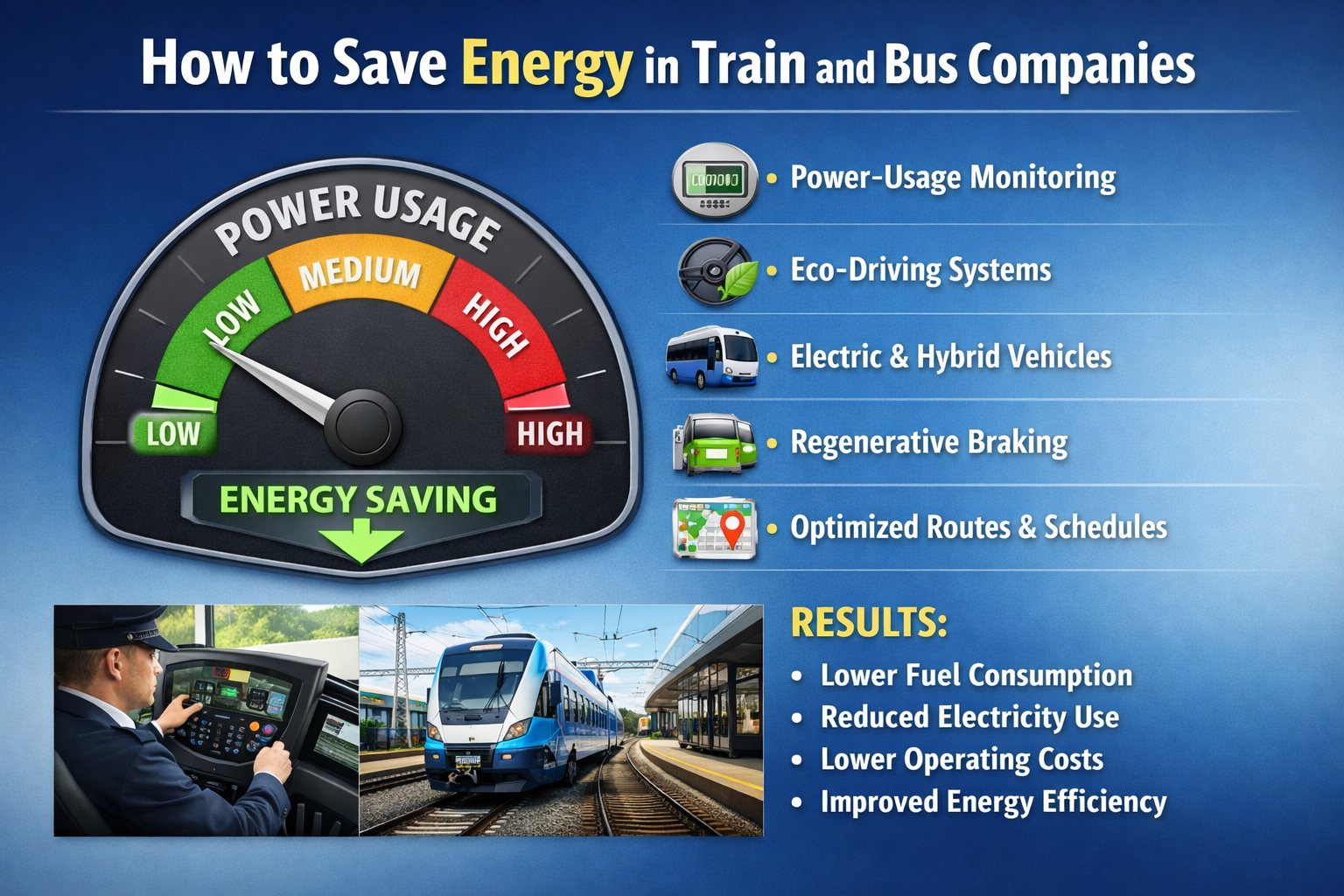
Energy Saving in Train and Bus Companies
Business electricity customers with Half Hourly Power
- Half Hourly Metering - better prices
- UK Manufacturing - better prices
- Larger Energy User - lower energy prices
- Good Credit Co. - better energy prices

Business Sectors
Check Out Other
Business Sectors