
Energy Saving in Training Centres
In today’s energy-conscious world, training centres must balance quality learning environments with tight operational budgets. Energy usage—across classrooms, IT suites, and catering spaces—can rapidly escalate costs. Half-hourly data offers a clear, actionable way to identify and address these costs directly.
Taurus Utility Consultants empowers training centres to reduce energy costs through detailed data analysis. Our practical approach transforms complex usage data into clear, measurable savings. Here’s how half-hourly data enables smarter, cost-effective energy decisions across your facility.
What Is Half-Hourly Data?
Half-hourly data records your energy consumption every 30 minutes, rather than just monthly or quarterly totals. This provides a clearer view of when and how much energy you use, revealing specific periods of waste. Using this detailed information helps you identify where to take direct action, leading to lower bills and better efficiency.
See patterns in your energy use—busy and quiet times, spikes, and overnight usage. It’s like going from a blurry image to HD.
Lighting Efficiency: Switching On Smarter, Not Longer
Lighting is one of the simplest places to cut waste and lower costs. Half-hourly data helps you see exactly when lights are needed versus left on, so you can reduce unnecessary use and save on energy bills right away.
For example, if the data shows high usage in empty classrooms or corridors late at night, that’s a clear opportunity to introduce LED lighting, motion sensors, or smarter scheduling. We help you use this data to fine-tune controls so lights are only on when people are present—cutting costs without compromising safety or comfort.
HVAC & Ventilation Optimisation: Comfort Without Excess
Heating, ventilation, and air conditioning systems are often the biggest energy users in training centres. With half-hourly data, you can align HVAC operations with real occupancy patterns.
If data shows heating or cooling running during unoccupied hours, we help adjust schedules, add zoning, or use demand-controlled ventilation. The result? Comfortable spaces during sessions, and savings when empty.
Energy-Efficient Computers, Projectors, and AV Equipment
IT suites, projectors, and audiovisual equipment are essential for modern training centres, but leaving them running wastes energy and money. Half-hourly data pinpoints when this happens, so you can make changes that directly reduce energy expenses and keep equipment in better condition.
Taurus Utility Consultants helps use data to set automatic shutdowns, manage power, and plan upgrades. You save money and extend the life of your equipment.
Classroom & Facility Scheduling
One of the most powerful insights from half-hourly data is how space is being used. If your training centre operates many rooms simultaneously, even when attendance is low, energy costs can quietly rise.
We use usage data to consolidate sessions into fewer rooms during off-peak times. This lets you reduce lighting, HVAC, and equipment in unused areas—cutting energy use while maintaining training quality.
Renewable Energy Integration
Half-hourly data helps make renewables work for you. Whether it’s solar, heat pumps, or batteries, knowing your demand is key.
By analysing your centre’s peak energy times, Taurus Utility Consultants can help you choose and design renewable systems that cut your energy bills and maximise your return. Using half-hourly data ensures renewables are matched to your needs and deliver tangible cost savings.
Water & Hot Water Efficiency
Hot water systems can run unnecessarily, wasting money. Half-hourly data highlights unused periods, allowing you to quickly reduce waste by adjusting schedules or improving equipment—leading to immediate and ongoing savings.
We use detailed data to fine-tune hot water schedules, optimise system performance, and support upgrades. This cuts energy use and ensures reliable hot water.
Building Envelope Improvements
Half-hourly data can show if energy use rises in cold or hot weather—often due to poor insulation or glazing. Addressing these issues based on clear data means lower heating and cooling costs, adding up to lasting savings.
We use these insights to recommend practical building envelope improvements, such as better insulation or double glazing. Over time, these upgrades reduce the amount of heating and cooling your centre needs—leading to lasting cost savings.
Monitoring & Energy Analytics: Turning Data into Action
Data alone doesn’t cut costs—your actions do. That’s why we focus on monitoring and analytics.
We help training centres set up user-friendly dashboards that provide real-time energy usage, spotlight inefficiencies, and track the impact of changes. These accessible tools make it easier to monitor progress and keep savings on track.
A Friendly, Practical Path to Lower Costs
At Taurus Utility Consultants, we know that every training centre is different. That’s why we don’t offer one-size-fits-all solutions. We use half-hourly data to build a clear, tailored picture of your energy use—and work with you to identify the most effective ways to reduce costs.
From lighting efficiency and HVAC optimisation to renewable energy integration and smarter scheduling, half-hourly data provides the foundation for meaningful savings. With our friendly team by your side, the journey toward energy efficiency becomes simpler, smarter, and more rewarding.
Take the next step to reduce your energy costs today. Contact Taurus Utility Consultants and let’s work together to turn your data into practical savings—without disrupting your training programmes. Start your journey to energy efficiency now.
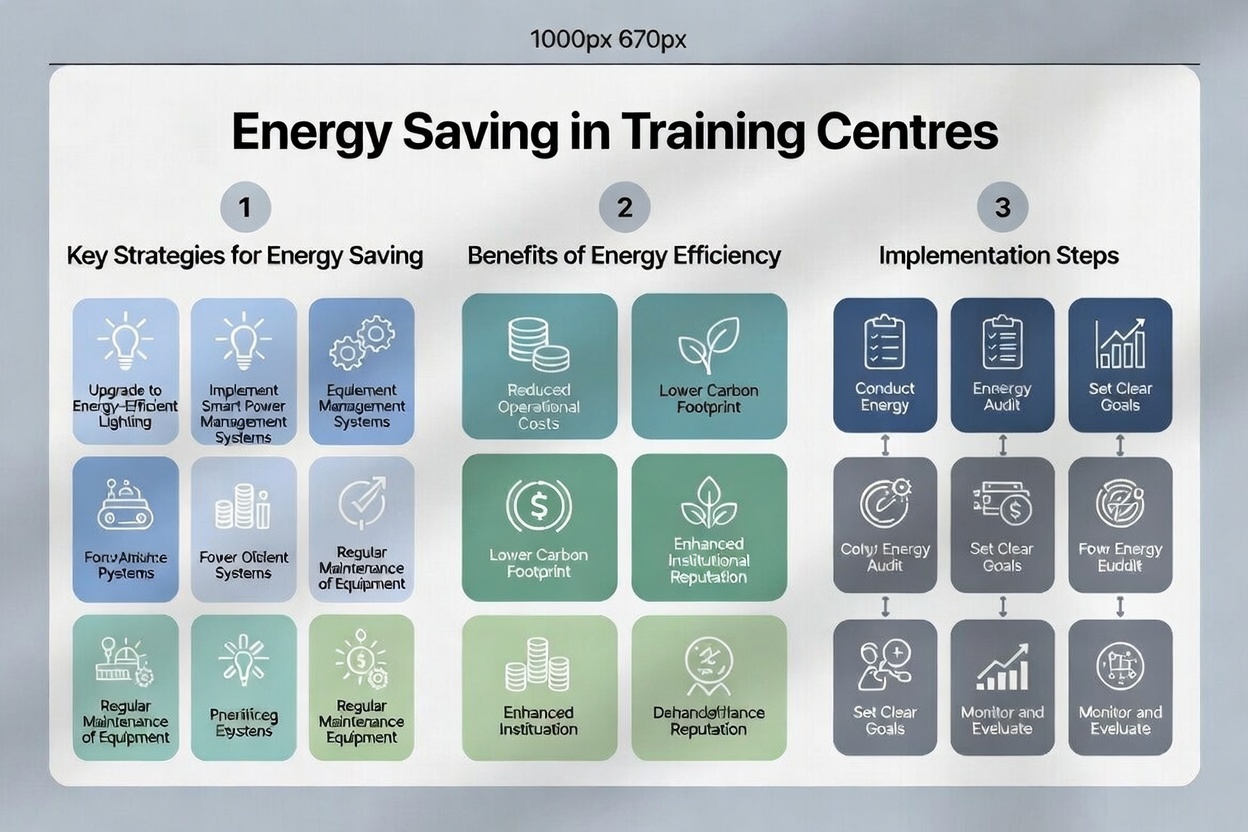
Energy Saving in Training Centres
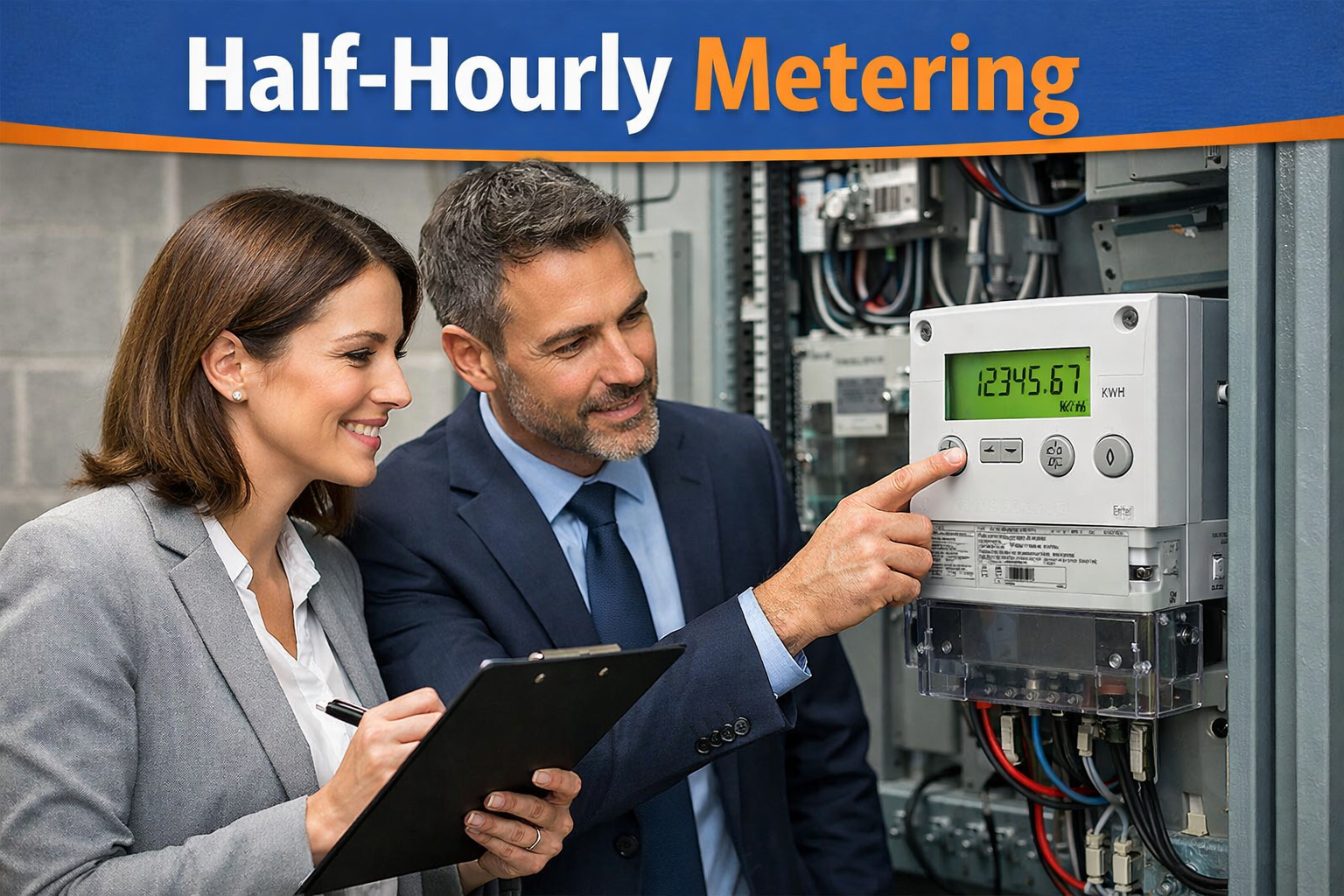
Business electricity customers with Half Hourly Power
- Half Hourly Metering - better prices
- UK Manufacturing - better prices
- Larger Energy User - lower energy prices
- Good Credit Co. - better energy prices

Business Sectors
Check Out Other
Business Sectors