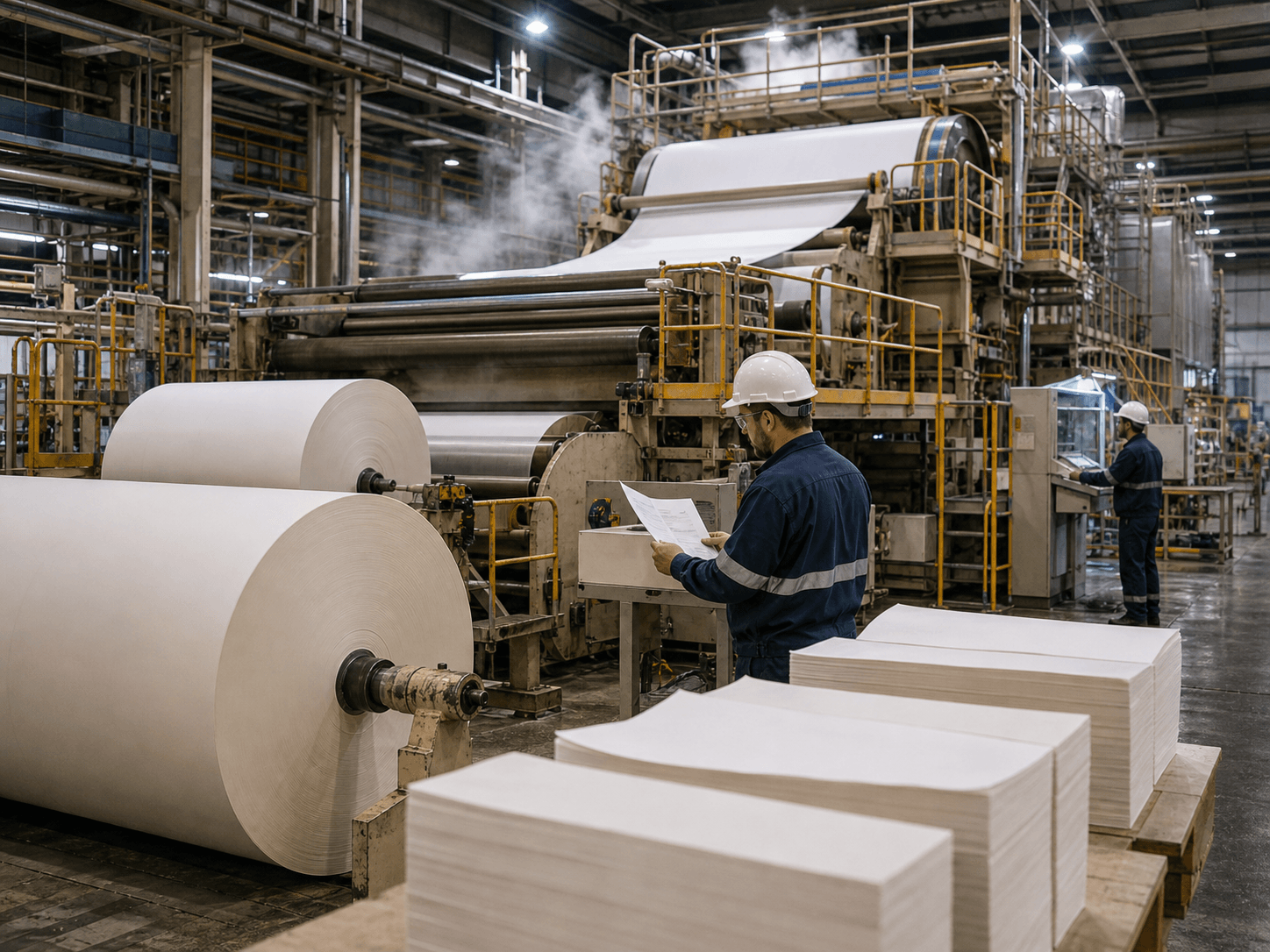
Energy-Saving Tips for Warehouses
Cement and lime manufacturing are energy-intensive processes that require careful consideration of resource consumption. As businesses strive for sustainability and cost efficiency, understanding how energy is used in these manufacturing processes becomes crucial. Energy costs are a significant portion of operational expenses, driven by the need for high temperatures and continuous operations. By optimising energy use, manufacturers can reduce their carbon footprint and operational costs, contributing to a more sustainable industry.
12 Practical Ideas for Saving Energy on Cement and Lime Manufacturing
- Upgrade to LED lighting to significantly reduce electricity consumption in cement and lime manufacturing facilities — Switching to LED lighting can save between 75–90 per cent on lighting energy costs.
- Implement variable speed drives on motors to optimise energy use and increase operational efficiency — These drives adjust motor speed to match load requirements, reducing electricity consumption.
- Regular maintenance of pumps to ensure they operate at peak efficiency and use less energy — Well-maintained pumps consume less electricity and have a longer operational life.
- Optimise refrigeration systems for energy efficiency in cement and lime storage — Ensuring refrigeration systems are energy efficient can lead to substantial electricity savings.
- Install smart meters to monitor and manage electricity use effectively in manufacturing operations — Smart meters provide real-time data, enabling better energy management and cost savings.
- Implement efficient driving practices to reduce diesel consumption in machinery and vehicles — Training drivers in fuel-efficient techniques can result in significant diesel savings.
- Regularly service machinery to ensure optimal diesel and fuel efficiency during operations — Well-maintained machinery operates more efficiently, reducing diesel and fuel consumption.
- Enhance insulation to reduce gas consumption in heating and hot water systems — Proper insulation minimises heat loss, reducing the need for gas heating.
- Install solar panels to harness renewable energy for cement and lime manufacturing processes — Solar panels can significantly offset electricity usage from traditional sources.
- Invest in wind turbines to generate renewable energy on-site for manufacturing operations — Wind turbines provide a sustainable energy source, reducing reliance on fossil fuels.
- Conduct regular staff training programmes to promote energy-saving practices among employees — Educating staff about energy conservation can lead to improved energy-saving behaviours.
- Implement continuous monitoring systems to track energy use and identify areas for improvement — Continuous monitoring allows for the identification of inefficiencies and opportunities for energy optimisation.
Electricity Savings
Electricity is a major component of energy costs in cement and lime manufacturing. By focusing on electricity savings, businesses can significantly reduce their energy bills. Upgrading lighting systems to LEDs is a straightforward change that offers immediate benefits. Additionally, the use of variable speed drives on motors can lead to substantial reductions in electricity use, as these drives optimise motor performance based on the actual demand. Implementing smart metering systems can further enhance energy management by providing real-time data, making it easier to identify inefficiencies and areas for improvement.
Diesel and Fuel Efficiency
Diesel is commonly used in machinery and vehicles within the cement and lime manufacturing industry. Improving diesel and fuel efficiency not only reduces costs but also lowers emissions. Training drivers in efficient driving practices can lead to considerable savings. Regular maintenance of machinery ensures that engines run optimally, reducing fuel consumption. These measures, combined with efficient logistics planning, can significantly decrease diesel use.
Gas and Propane Use
Gas and propane are often used for heating and hot water in manufacturing facilities. Enhancing insulation can greatly reduce the demand for these resources by minimising heat loss. Properly insulated facilities retain heat more effectively, reducing the need for constant heating. This not only saves on gas usage but also contributes to a more comfortable working environment.
Renewable Energy Opportunities
Renewable energy offers a sustainable solution to the high energy demands of cement and lime manufacturing. Installing solar panels can significantly offset the electricity drawn from the grid, providing a clean energy source. Wind turbines are another viable option, capable of generating substantial energy on-site. These renewable solutions not only reduce reliance on fossil fuels but also align with environmental sustainability goals. For more details on solar panels, please visit our solar page, and for wind turbines, refer to our wind energy section.
Behavioural and Operational Changes
Behavioural and operational changes are crucial for achieving energy efficiency. Regular staff training can instil energy-saving habits, leading to a more energy-conscious workplace. Simple actions, such as turning off equipment when not in use, can lead to significant savings. Encouraging a culture of sustainability within the organisation ensures that energy efficiency becomes an integral part of daily operations.
Monitoring and Continuous Improvement
Continuous monitoring is essential for identifying energy inefficiencies and areas for improvement. By implementing monitoring systems, manufacturers can track energy use in real-time and make informed decisions on where to focus their energy-saving efforts. This proactive approach allows businesses to adapt quickly to changing conditions and continuously improve their energy efficiency strategies.
Final Thoughts
Achieving energy efficiency in cement and lime manufacturing requires a comprehensive approach that encompasses technology upgrades, behavioural changes, and a commitment to continuous improvement. By implementing the practical ideas outlined in this article, manufacturers can significantly reduce their energy consumption, lower operational costs, and contribute to a more sustainable industry. As energy efficiency becomes increasingly important, adopting these strategies will not only enhance competitiveness but also support environmental goals.