
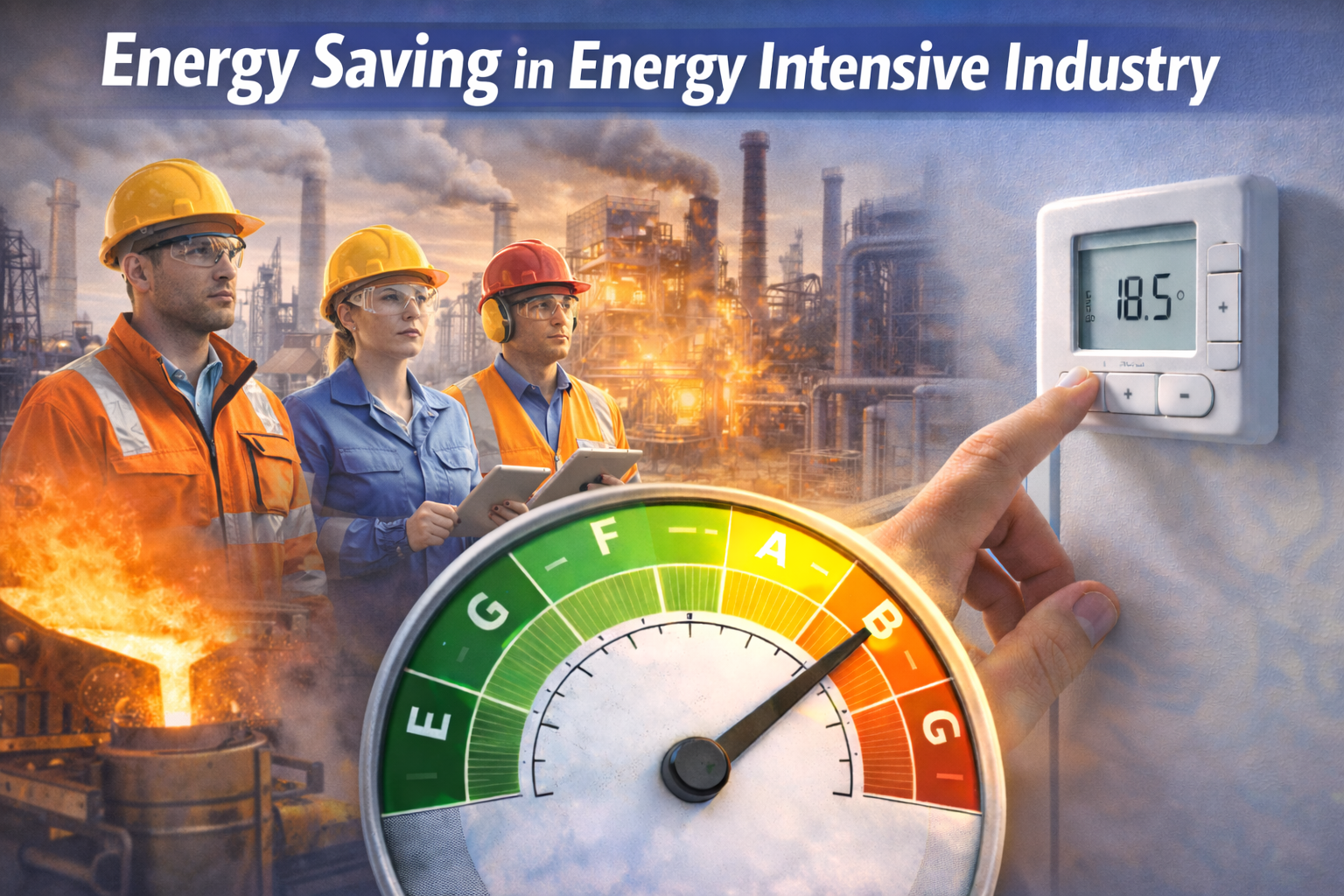
Energy Saving in Energy Intensive Industry
For UK businesses – from corner shops to large manufacturing plants – energy and water costs are a significant operational expense, often accounting for 5-20% of total overheads. Yet many organizations have only a basic understanding of how, when, and where they use utilities. Metering installations go far beyond simply tracking usage for billing purposes: they provide the data needed to identify waste, optimize consumption, and make informed decisions that cut costs and reduce environmental impact. The UK’s Smart Metering Implementation Programme (SMIP) has already seen over 21 million smart meters installed in non-domestic premises, with businesses reporting average savings of 12-15% once they act on the data. This 1000-word guide explains the different types of metering available, how they deliver value across sectors, and how UK businesses can implement solutions to boost their bottom line.
Types of Metering Systems – Finding the Right Fit
There are several metering options tailored to different business needs, from basic tracking to advanced real-time monitoring.
Key Systems
Basic Meters: The standard option for most small businesses, recording total monthly or quarterly usage for electricity and gas. While essential for billing, they provide limited insight into usage patterns – like discovering that equipment is running overnight unnecessarily.
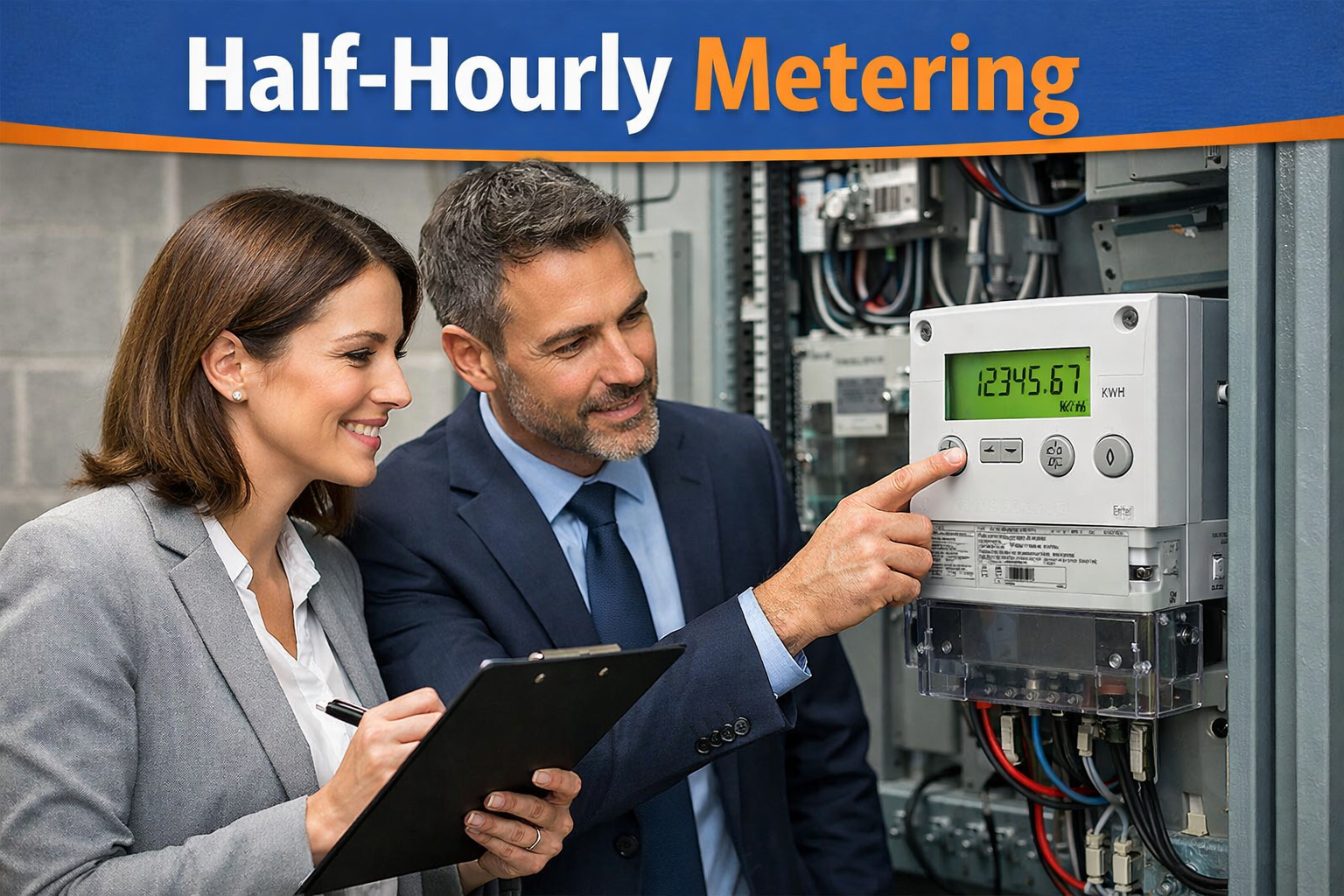
Half-Hourly (HH) Meters: Mandatory for businesses with electricity consumption over 100kW per half-hour (or annual bills over £100,000). These record usage every 30 minutes, revealing peak demand periods and enabling businesses to shift non-critical operations to off-peak times when tariffs are lower.
Sub-Meters: Installed to track usage in specific areas, departments, or for individual pieces of equipment. Ideal for multi-site operations, retail chains, or manufacturing plants, they pinpoint exactly where energy is being used – and wasted.
Smart Meters: Automatically send usage data to suppliers and provide real-time information via in-home displays or online portals. They eliminate estimated bills, show how much energy is being used at any moment, and can integrate with other systems to optimize consumption.
Water Meters: Often overlooked but critical for cost control – many businesses are charged based on rateable value rather than actual use, meaning they could be overpaying by thousands of pounds annually.
A small café in Bristol switched from a basic electricity meter to a smart meter and discovered their refrigeration unit was using 30% more energy than necessary due to a faulty thermostat – fixing it saved £600 a year.
How Metering Drives Savings – Turning Data into Value
The true benefit of metering comes from analyzing data and taking targeted action to reduce waste.
Key Savings Opportunities
Demand Management: Half-hourly and smart metering reveals when you’re using energy during peak tariff periods (typically 7am-10pm on weekdays). Shifting operations like manufacturing runs, laundry cycles, or refrigeration defrost cycles to off-peak times can cut energy costs by 20-30%. A Birmingham hotel saved £12,000 a year by adjusting when they ran their laundry and kitchen equipment.
Identifying Inefficiencies: Sub-metering pinpoints underperforming equipment or wasteful practices. A Manchester retail chain used sub-meters to find that lighting in empty stores was costing £45,000 annually across their estate – installing motion sensors and smart controls eliminated this waste.
Preventing Leaks: Water meters can detect hidden leaks that might otherwise go unnoticed for months. A Leeds-based manufacturing plant discovered a slow water leak through metering data – fixing it saved £8,000 a year and prevented potential structural damage.
Benchmarking & Target Setting: Metering data lets you compare usage across sites or against industry benchmarks, setting realistic targets for improvement. A national logistics company reduced energy use by 18% across 25 warehouses by benchmarking performance and rewarding teams for meeting savings goals.
Accurate Billing: Smart meters eliminate estimated bills, ensuring you only pay for what you use. A Cardiff office building was overcharged by £3,200 in one year due to incorrect estimates – switching to a smart meter resolved the issue and provided clear visibility of usage.
Indicative payback periods vary by system: smart meters typically pay for themselves within 1-2 years, sub-meters within 2-3 years, and half-hourly metering for large users within 6-12 months through demand charge reductions alone.
Implementation Steps – Getting Started with Metering
Implementing metering doesn’t have to be complex or costly – follow these practical steps to ensure success.
Actionable Process
1. Assess Your Current Setup: Review your utility bills and existing meters to identify gaps in data. Consider your business size, sector, and operational patterns – a factory will have different needs than a retail store.
2. Choose the Right Systems: Consult with an accredited meter installer or energy consultant to select metering solutions that match your needs and budget. Small businesses may start with smart meters, while larger operations benefit from half-hourly and sub-metering.
3. Arrange Installation: For smart meters, your energy supplier can often install them free of charge as part of SMIP. For sub-metering or half-hourly systems, work with a qualified engineer registered with the Meter Registration Scheme (MRS).
4. Set Up Data Monitoring: Use online portals or energy management software to track and analyze your data. Many suppliers offer free tools, while more advanced systems are available for businesses with complex needs.
5. Take Action: Identify quick wins first (like switching off equipment or adjusting thermostat settings), then move to larger improvements (like upgrading inefficient machinery or installing controls).
6. Review & Refine: Regularly monitor your data to track progress, identify new opportunities, and ensure savings are maintained over time.
UK-Specific Regulations & Incentives
UK businesses benefit from supportive regulations and funding to help implement metering and energy efficiency measures.
Key Support
Smart Metering Implementation Programme (SMIP): Non-domestic smart meters are being rolled out across the UK, with suppliers required to offer installations to all businesses by 2025. Most installations are free, and businesses receive real-time data to manage usage.
Energy Savings Opportunity Scheme (ESOS): Mandatory for large businesses (with 250+ employees or annual turnover over £44 million), requiring energy audits that include metering data analysis. Compliance helps identify savings opportunities and avoids fines.
Half-Hourly Metering Requirements: Businesses with maximum demand over 100kW must have half-hourly electricity meters, ensuring accurate billing and enabling demand management.
Funding & Grants: The Industrial Energy Transformation Fund (IETF) supports large energy users with metering and efficiency projects, while SMEs can access support through the Energy Saving Trust and local authority business advice services.
Climate Change Agreement (CCA): Eligible businesses in energy-intensive sectors can receive reduced Climate Change Levy rates by meeting energy efficiency targets – metering data is essential for demonstrating compliance.
Real-World Case Studies – Savings in Action
Metering delivers value across all business sectors, from small SMEs to large corporations.
Case Study 1 – Manufacturing: A Teesside chemicals plant installed half-hourly and sub-meters across their production lines. Data revealed that compressors were running at full load during periods of low demand, and that one reactor was using 15% more energy than necessary. Adjusting controls and upgrading equipment delivered annual savings of £280,000 – with payback in just 8 months.
Case Study 2 – Retail: A national supermarket chain installed smart meters and sub-meters in 50 stores. They discovered that refrigeration systems were using excess energy overnight, and that lighting levels could be reduced in certain areas without affecting customer experience. The changes saved £1.2 million across the estate annually, and improved store comfort for shoppers and staff.
Case Study 3 – Hospitality: A London hotel installed smart meters and water sub-meters. Data identified that outdoor pool heating was running during unoccupied periods, and that a leak in the laundry area was wasting 12,000 litres of water a week. Fixing these issues saved £35,000 a year and reduced the hotel’s carbon footprint by 18 tonnes.
Conclusion
Metering installations are not just a regulatory requirement or operational cost – they are a powerful tool that helps UK businesses take control of their utility spending, reduce waste, and improve their environmental performance. Whether you’re a small café or a large manufacturing plant, the right metering system provides the data you need to make informed decisions that boost your bottom line. With free smart meter installations available, supportive regulations, and clear savings opportunities, there has never been a better time to invest in metering. By turning data into action, businesses can not only save money and energy but also build a more sustainable and resilient future.
Energy Saving in Energy Intensive Industry
Business electricity customers with Half Hourly Power
- Half Hourly Metering - better prices
- UK Manufacturing - better prices
- Larger Energy User - lower energy prices
- Good Credit Co. - better energy prices

Business Sectors
Check Out Other
Business Sectors