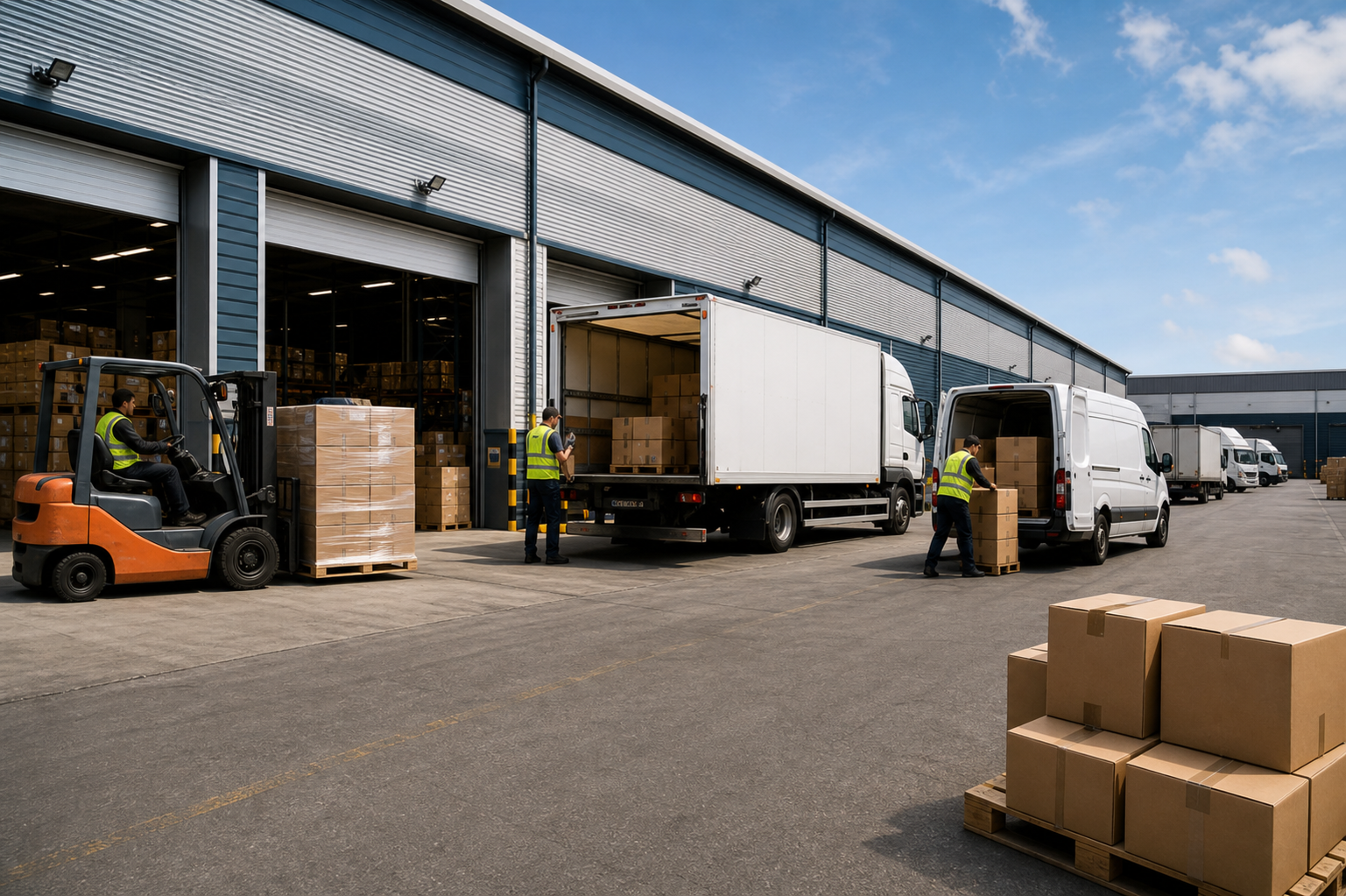
How to Save Energy on Freight and Courier Depots
Freight and courier depots are energy-intensive environments with numerous opportunities for efficiency improvements. From lighting vast warehouses to running fleets of vehicles, these facilities consume significant amounts of energy. Understanding where this energy is used is crucial for identifying cost-saving opportunities.
Depots typically require electricity for lighting, machinery, and IT systems. Diesel and other fuels are predominantly used in the transport fleet and material handling equipment. Additionally, gas and propane are often utilised for heating and hot water. By examining each of these areas, depots can discover effective strategies to reduce energy consumption and environmental impact.
12 Practical Ideas for Saving Energy on Freight and Courier Depots
- Install LED lighting throughout depot facilities to reduce electricity consumption by up to 90 per cent — LED lights use significantly less energy and have longer lifespans than traditional bulbs.
- Implement a smart metering system to monitor real-time energy use and identify inefficiencies — Smart meters provide insights into energy usage patterns, allowing for targeted reductions.
- Optimise forklift operations through regular maintenance and efficient driving practices to save fuel. Proper maintenance and training can significantly cut diesel consumption and extend equipment life.
- Conduct regular vehicle maintenance to ensure engines run efficiently and reduce fuel consumption — Well-maintained vehicles burn less fuel and emit fewer pollutants.
- Train drivers on eco-driving techniques to improve fuel efficiency and reduce emissions — Teaching techniques like smooth acceleration and maintaining steady speeds can save fuel.
- Utilise insulation and efficient heating systems to minimise gas and propane use in depots — Insulation retains heat, reducing the need for continuous heating and saving energy.
- Install solar panels on depot rooftops to generate renewable energy and lower electricity bills — Solar panels provide a sustainable energy source with long-term financial benefits.
- Explore the feasibility of on-site wind turbines to supplement energy needs sustainably — Wind turbines can offer a reliable source of clean energy for depots.
- Initiate a staff training programme focused on energy conservation and efficiency practices — Educating employees on energy-saving habits can lead to significant reductions in overall consumption.
- Establish an energy monitoring team to continuously assess and improve depot energy performance — A dedicated team can track progress and implement new strategies effectively.
- Introduce a regular maintenance schedule for all machinery to ensure optimal energy use — Routine checks help keep equipment efficient and extend its operational lifespan.
- Encourage a culture of sustainability with incentives for staff who contribute to energy-saving ideas — Recognising and rewarding innovation can motivate employees to participate actively in energy conservation.
Electricity Savings
Electricity is a major expense for freight and courier depots, particularly due to lighting and machinery operations. Transitioning to LED lighting can reduce electricity consumption by 75–90 per cent compared to traditional lighting systems. Furthermore, smart metering systems enable detailed tracking of electricity use, providing data to optimise operations and eliminate waste.
Another significant opportunity lies in the maintenance of electric motors and pumps, which are commonly used in depots. Regular maintenance ensures these systems operate efficiently, reducing power demand. Additionally, investing in energy-efficient models when equipment needs replacing can lead to further reductions in electricity consumption.
Diesel and Fuel Efficiency
Fuel costs are a major concern for depots with large vehicle fleets and material handling equipment. Regular maintenance of vehicles and machinery is critical, ensuring engines run smoothly and efficiently. This not only saves fuel but also reduces emissions, contributing to environmental sustainability.
Training drivers in eco-friendly driving techniques can further enhance fuel efficiency. Techniques such as smooth acceleration, maintaining steady speeds, and reducing idling times can significantly decrease fuel consumption. For machinery, optimising operations and scheduling can help reduce unnecessary fuel usage, particularly in high-demand periods.
Gas and Propane Use
Heating and hot water are necessary for depot operations, often relying on gas and propane. Effective insulation can drastically reduce the need for heating by retaining warmth within the facility. Coupled with efficient heating systems, this can significantly cut down on gas and propane use.
Moreover, exploring alternative heating solutions, such as heat pumps, can provide a more energy-efficient option. These systems use electricity to transfer heat rather than generating it directly, which can be more cost-effective and environmentally friendly.
Renewable Energy Opportunities
Renewable energy presents a compelling opportunity for depots to reduce their reliance on traditional energy sources. Installing solar panels on rooftops can significantly offset electricity costs while providing a sustainable energy source. Detailed information about solar panel benefits can be found here.
Additionally, wind turbines offer another viable renewable energy solution. With the potential to generate a substantial amount of power, wind turbines can further reduce a depot’s carbon footprint. More information on wind turbine implementation is available here.
Behavioural and Operational Changes
Behavioural changes among staff can lead to significant energy savings. Implementing a comprehensive training programme focused on energy conservation can enhance awareness and encourage energy-efficient practices. From turning off lights in unoccupied areas to correctly adjusting thermostats, small changes can accumulate to substantial savings.
Incentives for staff who propose or implement energy-saving ideas can also foster a culture of sustainability. Recognising and rewarding contributions to energy efficiency not only boosts morale but also encourages further innovation within the team.
Monitoring and Continuous Improvement
Continuous monitoring and improvement are essential for long-term energy efficiency. Establishing an energy monitoring team can ensure that energy-saving measures are effectively implemented and tracked. This team can also identify new opportunities for improvement, keeping the depot on the cutting edge of energy efficiency.
Regular energy audits and assessments can provide further insights into areas for improvement. By continually refining and updating energy strategies, depots can optimise their energy use and reduce costs over time.
Final Thoughts
Freight and courier depots have numerous opportunities to improve energy efficiency across various operational areas. By implementing the strategies outlined above, depots can significantly reduce their energy consumption, lower costs, and contribute to a more sustainable future. Continual monitoring and adaptation are key to maintaining these improvements, ensuring that depots remain efficient and competitive in the long term.