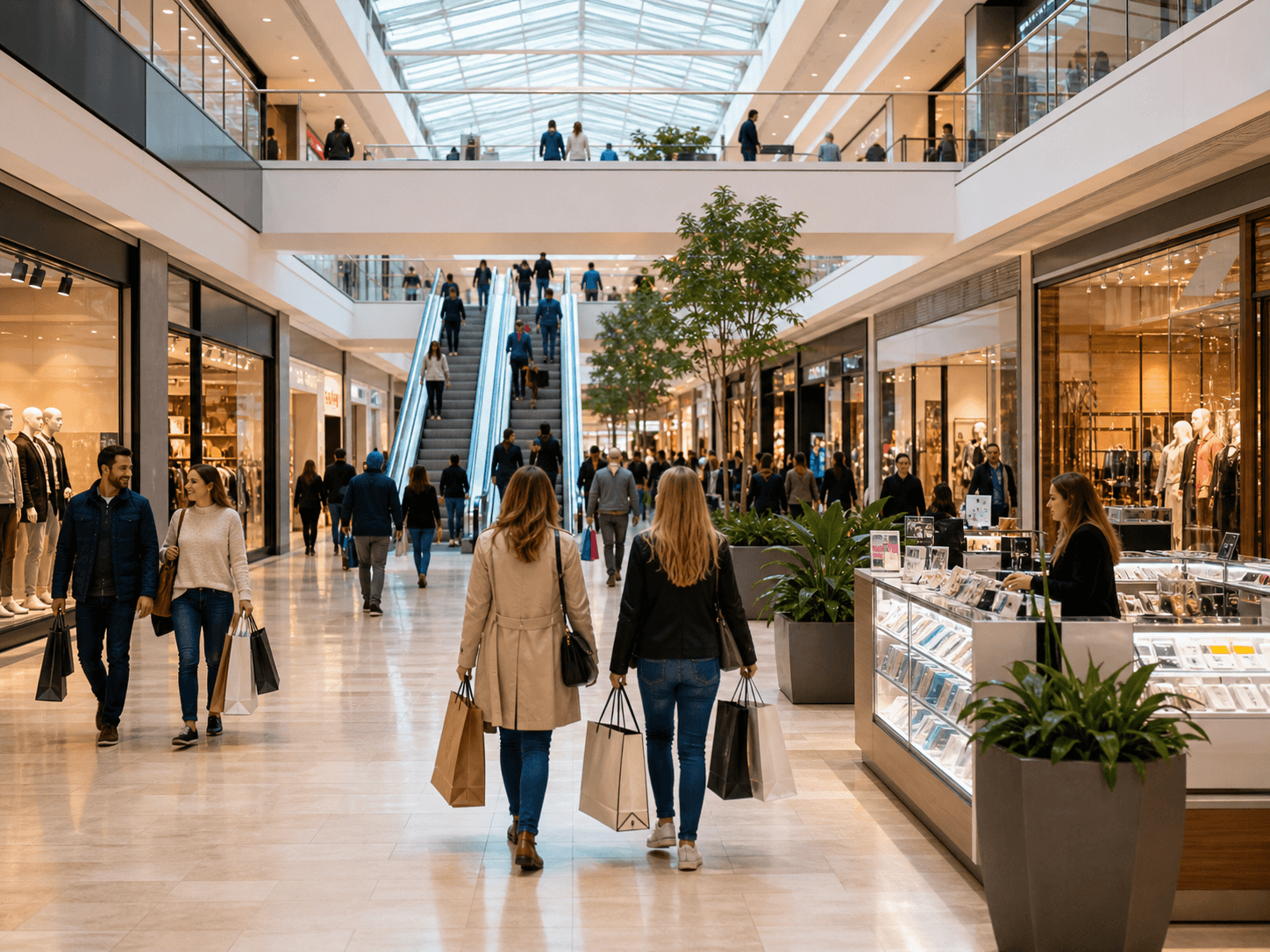
How to Save Energy on Shopping Centres
Understanding Energy Use in Shopping Centres
Shopping centres are bustling hubs of activity, hosting a variety of retailers, restaurants, and entertainment venues. This diverse environment requires substantial energy to operate efficiently, including electricity for lighting and refrigeration, fuel for transportation, and gas for heating. Understanding how energy is consumed in these centres is crucial for identifying opportunities to reduce usage and costs.
Energy usage in shopping centres is influenced by several factors, including the size of the facility, the mix of tenants, operating hours, and the energy efficiency of the equipment and systems in place. By analysing these factors, centre managers can implement targeted strategies to enhance energy efficiency and sustainability.
12 Practical Ideas for Saving Energy in Shopping Centres
- Install LED Lighting and Reduce Energy Consumption by at Least 75 Per Cent — LEDs are more energy-efficient and last longer than traditional bulbs, significantly lowering electricity bills.
- Adopt Smart Metering Systems for Real-Time Energy Usage Monitoring and Management — Smart meters provide detailed insights into energy consumption patterns, enabling proactive energy management.
- Utilise Motion Sensors to Optimise Lighting in Low-Traffic Areas of the Shopping Centre — Motion sensors ensure lights are only used when necessary, reducing unnecessary energy expenditure.
- Implement Regular Maintenance and Calibration for Motors and Pumps to Ensure Efficiency — Routine inspections and calibrations can prevent energy wastage and prolong equipment lifespan.
- Upgrade Refrigeration Units to Energy-Efficient Models for Significant Electricity Savings — Modern refrigeration units use less energy, reducing overall electricity consumption and operating costs.
- Train Drivers on Eco-Friendly Driving Techniques to Reduce Fuel Consumption — Improved driving behaviour, like smoother acceleration, can lead to substantial fuel savings for delivery vehicles.
- Install Solar Panels to Harness Renewable Energy and Reduce Dependency on Grid Electricity
- Integrate Wind Turbines for Additional Renewable Energy Generation and Sustainability — Discover wind energy solutions.
- Enhance Building Insulation to Minimise Heat Loss and Lower Heating Energy Demand — Proper insulation reduces the need for heating, saving on gas and propane costs.
- Implement Staff Training Programmes to Encourage Energy-Saving Practices and Awareness — Educating employees about energy efficiency can foster a culture of sustainability and reduce waste.
- Conduct Regular Energy Audits to Identify and Address Inefficient Energy Practices — Energy audits provide insights into areas of improvement, helping maintain optimal energy performance.
- Establish Continuous Improvement Processes for Long-Term Energy Efficiency Gains — Consistent evaluation and adaptation ensure ongoing progress in energy management efforts.
Electricity Savings
Electricity is a major expense for shopping centres, with lighting and refrigeration systems being among the highest consumers. By transitioning to LED lighting, centres can achieve savings of 75–90 per cent compared to traditional bulbs. Additionally, smart meters offer detailed consumption data, allowing managers to identify peak usage times and adjust operations accordingly. Motion sensors are another effective tool, reducing unnecessary lighting in areas with low foot traffic.
Diesel and Fuel Efficiency
Fuel costs can also represent a significant portion of a shopping centre’s energy expenditure, particularly for delivery and maintenance vehicles. Training drivers in eco-friendly techniques, such as reducing idling time and maintaining steady speeds, can lead to noticeable fuel savings. Regular vehicle maintenance, including tyre pressure checks and engine tune-ups, further enhances fuel efficiency.
Gas and Propane Use
Gas and propane are primarily used for heating and hot water in shopping centres. Improving insulation is a straightforward way to minimise heat loss, reducing the demand for heating. Regular maintenance of heating systems ensures they operate efficiently, preventing energy waste. Additionally, upgrading to more efficient boilers can provide long-term savings on gas expenditures.
Renewable Energy Opportunities
Renewable energy sources, such as solar panels and wind turbines, offer shopping centres an opportunity to generate their own electricity sustainably. Solar panels can be installed on rooftops to harness sunlight, while wind turbines can be integrated into the centre’s infrastructure. These solutions not only reduce reliance on grid electricity but also enhance a centre’s sustainability credentials.
Behavioural and Operational Changes
Implementing behavioural and operational changes can significantly impact energy consumption. Staff training programmes that focus on energy-saving practices, such as turning off unused equipment and optimising heating and cooling settings, promote a culture of sustainability. Encouraging tenants to adopt similar practices can further enhance overall energy efficiency.
Monitoring and Continuous Improvement
Effective energy management requires ongoing monitoring and evaluation. Regular energy audits help identify inefficiencies and areas for improvement. Establishing a continuous improvement process ensures that energy-saving strategies evolve with changing needs and technologies. This commitment to ongoing optimisation can lead to significant long-term reductions in energy use and costs.
Final Thoughts
Shopping centres have myriad opportunities to save energy across various areas of operation. By adopting a comprehensive approach that includes technological upgrades, behavioural changes, and renewable energy solutions, centres can significantly reduce their energy consumption and environmental impact. Continuous monitoring and improvement are essential to maintaining momentum and achieving lasting energy efficiency gains.