How to Save Energy on Steel and Non-Ferrous Metals
Understanding Energy Use on Steel and Non-Ferrous Metals
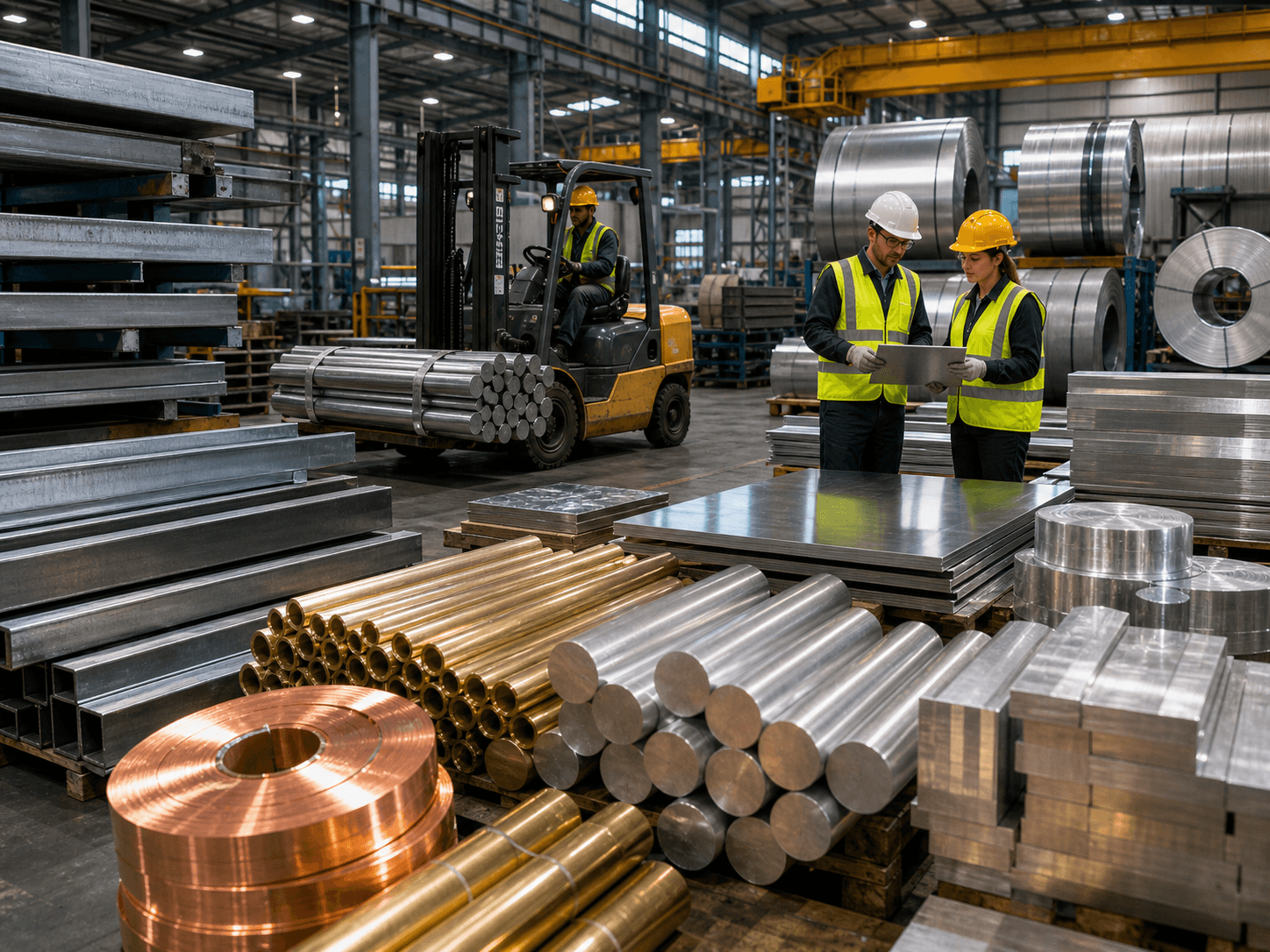
The steel and non-ferrous metals industries are among the most energy-intensive sectors. These industries require substantial amounts of energy for processes such as melting, refining, casting, and finishing. With energy costs continuing to rise, optimising energy usage is crucial for maintaining competitiveness and sustainability. Understanding the sources and patterns of energy consumption is the first step in identifying opportunities for energy savings.
12 Practical Ideas for Saving Energy on Steel and Non-Ferrous Metals
- Implement LED lighting systems to reduce electricity consumption by up to 75–90 per cent in industrial environments — LEDs offer significant energy savings over traditional lighting and have longer lifespans.
- Conduct regular maintenance on electric motors to ensure they operate at peak efficiency and reduce energy waste — Regular inspections and maintenance can prevent energy losses and prolong motor life.
- Optimise pump systems by using variable frequency drives to match pump output with demand and save energy — Variable frequency drives adjust motor speed to actual load requirements, reducing energy use.
- Implement smart metering systems to monitor electricity usage in real-time and identify areas for energy reduction — Smart meters provide detailed insights that help optimise energy consumption patterns.
- Train drivers on fuel-efficient driving techniques to reduce diesel consumption and enhance vehicle performance — Fuel-efficient driving practices can significantly cut fuel usage and emissions.
- Ensure regular maintenance on machinery to prevent diesel engine inefficiencies and extend equipment lifespan — Well-maintained machinery operates more efficiently and uses less fuel.
- Improve building insulation to reduce propane heating costs and maintain consistent temperature levels — Proper insulation minimises heat loss, lowering the energy required for heating.
- Utilise energy-efficient water heaters to reduce gas consumption for hot water production in industrial facilities — Modern water heaters can significantly cut energy usage compared to older models.
- Explore solar panel installations for sustainable energy generation and reduced reliance on grid electricity — Solar panels provide renewable energy and potential cost savings.
- Consider wind turbines as a renewable energy source to supplement conventional power and reduce carbon footprint — Wind turbines can significantly lower energy costs and emissions.
- Organise staff training programmes to instil energy-saving behaviours and promote awareness of energy conservation — Educating staff on energy efficiency can lead to substantial behavioural changes and savings.
- Implement continuous monitoring and feedback systems to identify energy inefficiencies and drive ongoing improvements — Regular monitoring ensures energy-saving measures remain effective and are improved upon.
Electricity Savings
Electricity is a major cost for steel and non-ferrous metals industries. By implementing energy-efficient lighting, maintaining equipment, and using technology such as smart meters, businesses can significantly reduce electricity consumption. LED lighting, for instance, can lower energy use by up to 90 per cent compared to traditional lighting. Additionally, variable frequency drives on pumps and compressors can optimise energy use by adjusting motor speed to match demand.
Diesel and Fuel Efficiency
Diesel is often used to power vehicles and machinery in the metals industry. Training drivers in fuel-efficient techniques and ensuring regular maintenance of diesel engines can lead to significant fuel savings. Avoiding unnecessary idling and maintaining optimal tyre pressure are simple yet effective practices that can further enhance fuel efficiency.
Gas and Propane Use
Gas and propane are essential for heating and hot water in many industrial settings. Improving insulation can drastically reduce heating costs by minimising heat loss. Furthermore, investing in modern, energy-efficient water heaters can cut energy use for hot water production. Regular inspections of heating systems can also identify opportunities for further energy reduction.
Renewable Energy Opportunities
Exploring renewable energy options such as solar panels and wind turbines can offer long-term energy cost savings and environmental benefits. Solar panels, linked to sustainable energy generation, help reduce dependence on grid electricity. Similarly, wind turbines can complement existing power sources, cutting energy costs and emissions.
Behavioural and Operational Changes
Instilling an energy-conscious culture within the workforce is crucial for achieving energy efficiency. Training programmes can educate employees on energy-saving practices, such as turning off unused equipment and reporting energy inefficiencies. Encouraging a culture of responsibility and awareness can lead to significant behavioural changes that contribute to energy savings.
Monitoring and Continuous Improvement
Continuous monitoring of energy use is vital for identifying inefficiencies and ensuring energy-saving measures remain effective. Implementing a feedback system can provide insights into energy performance and highlight areas for potential improvement. Regularly reviewing energy data allows businesses to adapt strategies in response to changing conditions and technological advancements.
Final Thoughts
Energy efficiency is not just about reducing costs; it’s about enhancing sustainability and competitiveness in the steel and non-ferrous metals industries. By implementing a combination of technology upgrades, behavioural changes, and renewable energy solutions, businesses can achieve significant energy savings. Ongoing monitoring and a commitment to continuous improvement ensure these benefits are sustained over the long term.