
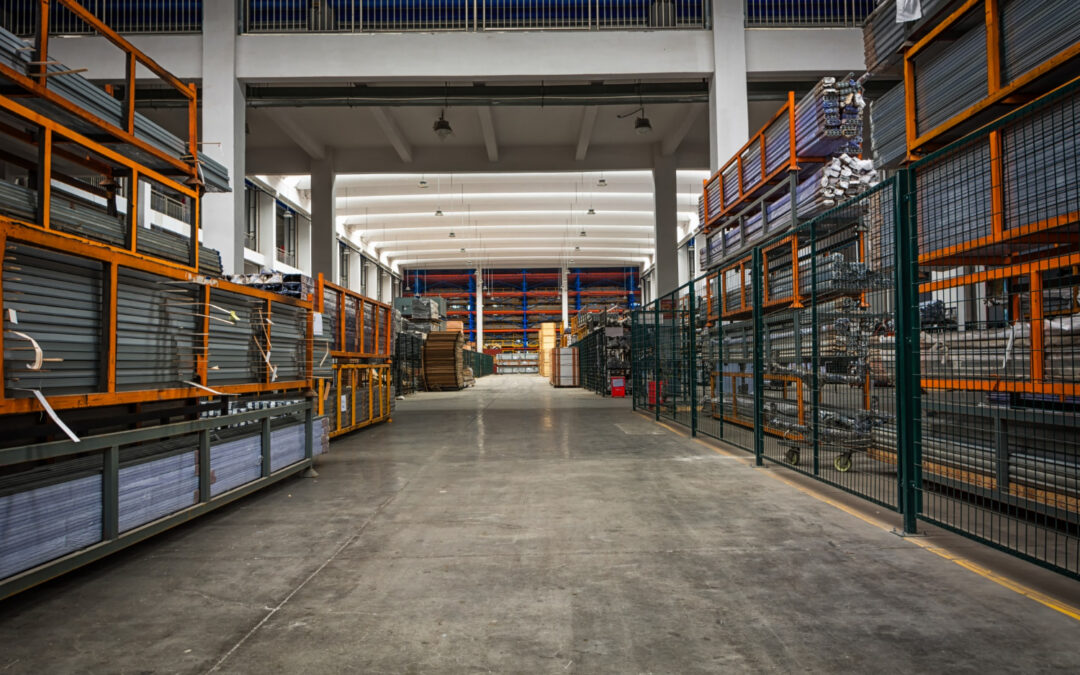
In an era of rising energy costs and increasing pressure to reduce carbon emissions, manufacturers are facing the challenge of maintaining productivity while cutting energy waste. The factory floor—often packed with machines, lighting systems, compressed air networks, and HVAC units—can consume vast amounts of energy every day. Fortunately, many factories can achieve substantial savings without expensive overhauls or major investments. By focusing on a few strategic “quick wins,” companies can improve energy efficiency, reduce costs, and take meaningful steps towards sustainability.
Here are five practical and effective ways to start cutting energy waste on your factory floor today.
- Fix Compressed Air Leaks and Optimise Pressure
Compressed air is one of the most energy-intensive utilities in manufacturing. It’s often referred to as the “fourth utility” after electricity, gas, and water—and for good reason. In many facilities, up to 30% of compressed air is lost through leaks, poor maintenance, or inappropriate use.
The quick win: conduct a compressed air audit. Even small leaks can have a significant impact over time. A single 3mm hole in a compressed air line can cost hundreds of pounds per year in wasted electricity. Leak detection sprays, ultrasonic leak detectors, or even listening for hissing sounds during quieter production periods can help identify problem areas quickly.
Once leaks are fixed, review your system’s operating pressure. Many compressors are set to higher pressures than necessary, causing them to consume more energy. Reducing pressure by as little as 1 bar can lower energy consumption by around 7%.
Additional tips:
- Shut off compressed air to unused equipment during downtime.
- Replace inefficient end-use tools with electric or low-pressure alternatives.
- Schedule regular maintenance and leak checks as part of your preventive programme.
These steps not only save energy but also extend equipment life and reduce downtime—an easy win for both operations and the bottom line.
- Upgrade to Smart Lighting Systems
Lighting accounts for up to 10% of total energy use in a typical factory, and much of this consumption occurs when areas are unoccupied or overlit. The transition from traditional fluorescent or halogen fittings to LED technology offers a fast and tangible improvement. LEDs use around 50–70% less energy and have a much longer lifespan, reducing maintenance costs and disruptions.
The quick win: replace old fixtures with LED lighting fitted with motion and daylight sensors. Motion sensors ensure lights are only on when areas are occupied, while daylight sensors automatically adjust brightness based on available natural light.
For large facilities, consider introducing zoned lighting control, where lighting levels can be tailored to specific areas—production zones, storage areas, walkways, or offices. Smart controls allow managers to monitor usage, schedule lighting, and track savings through energy management software.
Bonus benefit: improved lighting quality can enhance safety, reduce worker fatigue, and even improve product quality through better visibility—making it an operational as well as an environmental win.
- Reduce Idle Running and Improve Equipment Scheduling
Machines that run when not needed are silent energy thieves. Conveyor belts, motors, and auxiliary systems that remain powered during breaks or shift changes can waste thousands of kilowatt-hours each year.
The quick win: implement a “switch-off” campaign and use smart scheduling. By training staff and introducing simple standard operating procedures, idle running can be dramatically reduced. Pair this with automated controls—such as timers or sensors—that power down machines during inactivity or non-production hours.
Modern manufacturing execution systems (MES) and Internet of Things (IoT) platforms make it easier than ever to monitor energy use in real time. For instance, energy metering can reveal when certain machines are drawing power unnecessarily, helping teams target the worst offenders first.
Key actions:
- Align production schedules to minimise equipment idling.
- Integrate automatic shutdowns during shift changes or maintenance windows.
- Encourage operators to log downtime and report persistent inefficiencies.
This approach doesn’t just save energy—it can also reduce wear and tear on equipment, lowering maintenance costs and improving reliability.
- Maintain Motors and Drive Systems for Peak Efficiency
Electric motors account for nearly two-thirds of industrial electricity use. From fans and pumps to conveyors and compressors, they are everywhere on the factory floor. Yet many run inefficiently due to poor maintenance, incorrect sizing, or outdated technology.
The quick win: focus on maintenance and variable speed drives (VSDs). Regularly cleaning filters, lubricating bearings, and checking alignment can keep motors running efficiently. A dirty or poorly maintained motor can use up to 10% more energy than a well-maintained one.
Installing variable speed drives is another fast way to save energy. Many motors operate at a constant speed even when full power isn’t needed—wasting electricity. VSDs allow motor speed to match demand, cutting consumption by 20–50% in many applications such as pumps and fans.
Consider these actions:
- Audit your motor inventory and replace outdated models with high-efficiency IE3 or IE4-rated units.
- Use load monitoring to identify oversized or underused motors.
- Train maintenance staff to spot early warning signs of inefficiency, such as overheating or vibration.
These small, targeted improvements can quickly deliver substantial savings—both in energy and maintenance budgets.
- Manage Heat and Ventilation Wisely
Factories often have complex heating and ventilation needs. In some areas, heat from machines may require extraction, while others need consistent temperatures to ensure product quality. Poorly controlled systems can easily waste energy through heat loss, unnecessary ventilation, or inefficient HVAC settings.
The quick win: review airflow and temperature control. Ensure that warm air isn’t being expelled unnecessarily while colder air is drawn in and heated again. Installing destratification fans in tall factory spaces can help circulate warm air trapped at ceiling level, reducing the need for additional heating.
Regular maintenance—cleaning filters, checking seals, and calibrating thermostats—keeps systems running efficiently. For even greater control, consider installing smart HVAC controls that automatically adjust ventilation and heating based on occupancy, time of day, or temperature thresholds.
Waste heat recovery is another powerful opportunity. The heat generated by compressors, ovens, or exhaust systems can often be captured and reused for space heating or hot water—cutting energy bills significantly.
A Culture of Continuous Improvement
While these five quick wins can deliver immediate savings, the greatest long-term gains come from embedding energy awareness into everyday operations. Encourage employees to take ownership of energy performance—through simple awareness campaigns, suggestion schemes, or energy champions on the shop floor.
Regularly measure and review your energy data to track progress. Installing sub-meters or using energy management software allows managers to identify patterns, verify savings, and spot new opportunities.
Finally, celebrate successes. Recognising the teams and individuals who contribute to energy efficiency fosters a positive culture of innovation and accountability—ensuring that improvements are sustained and built upon. We recommend Half-Hourly Electricity – Precision Power for Peak Performance!
Conclusion
Cutting energy waste on the factory floor doesn’t have to mean costly investments or major equipment upgrades. By tackling a few high-impact areas—compressed air, lighting, idle running, motor systems, and HVAC—manufacturers can unlock quick wins that deliver real financial and environmental benefits.
These measures not only lower energy bills but also improve reliability, productivity, and worker comfort. More importantly, they help factories build resilience against volatile energy prices and demonstrate genuine commitment to sustainability.
Energy efficiency is not just about doing less—it’s about doing more with less. And on the modern factory floor, that’s a competitive advantage no manufacturer can afford to ignore.